
Announcement, Baseball, Featured, Softball
How SmartParks Change Everything
- by Chris O'Dowd, CEO of WIN Reality
WIN Reality's CEO, Chris O'Dowd, shares how SmartPark will change the game by capturing over 125 live performance metrics, including pitch velocity, spin rate, movement profiles, bat speed, swing mechanics, ball flight data, and more.
Baseball, Recruiting
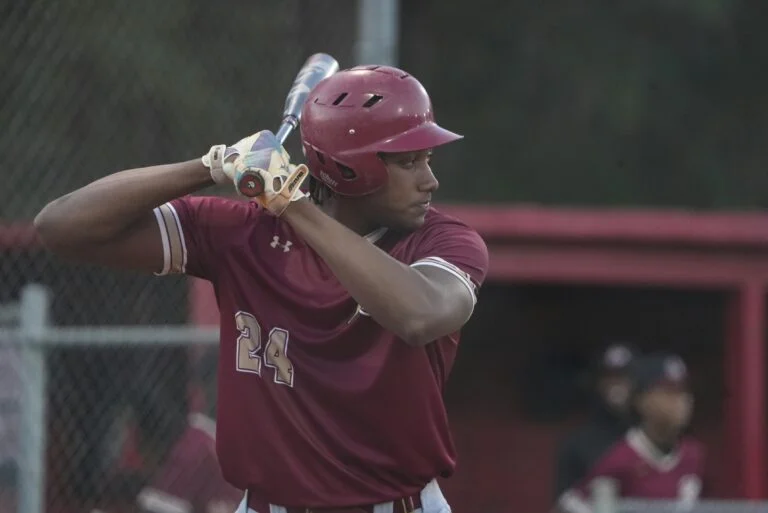
College Baseball Recruiting Timeline: Grade-by-Grade Guide
You’re a high school hitter with two years of varsity ahead of you. Your exit velocity is climbing, your coach says you have D1 potential, and now you’re searching for a college baseball recruiting timeline, only to find every guide you land on was written before the rules changed. On June 6, 2025, the NCAA formally adopted the House v. NCAA settlement terms. For baseball specifically, those changes are dramatic enough that most pre-2025 recruiting advice is now partially wrong. If you’re working toward a college roster spot, you need a roadmap built around current rules. This guide breaks it
Baseball, Softball, Training
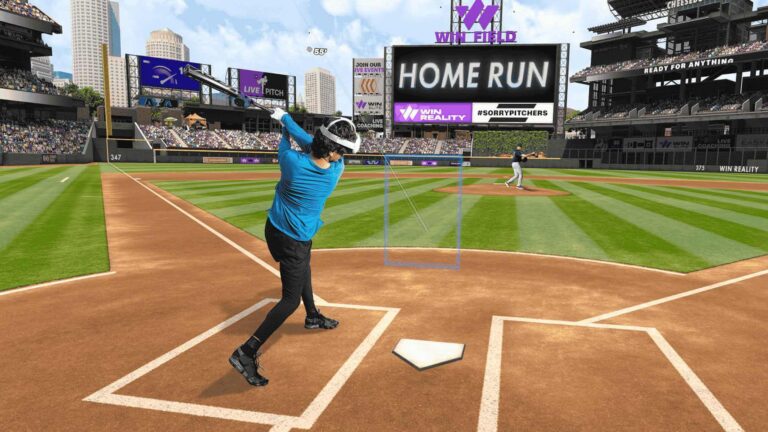
Exit Velocity by Age Chart (8–18): Is Your Player On Track?
Baseball, Training
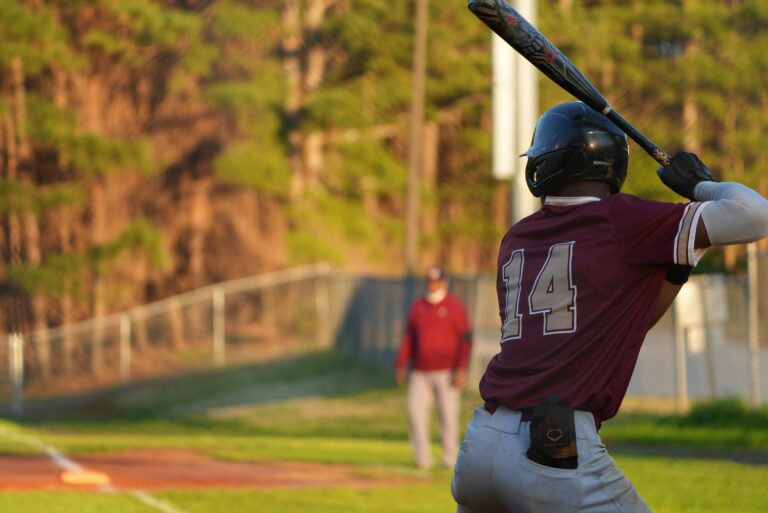
High School Baseball Hitting Drills for Coaches: 15–18 Year Old Hitter Development Plan
Your JV hitter can’t stay back on a breaking ball. Your varsity cleanup man rolls over everything inside. Your college-track outfielder looks great in the cage and disappears at showcases. These are not mechanics problems, they’re development problems. And they require a drill system built for the 15–18 window, not a generic list borrowed from a youth practice plan. This guide gives you that system. We’ll break down how to train JV hitters, varsity players, and recruiting-track prospects using drills matched to real problems, structured progressions, and the kind of game-speed reps that actually transfer to the plate. The Short
Baseball, Training
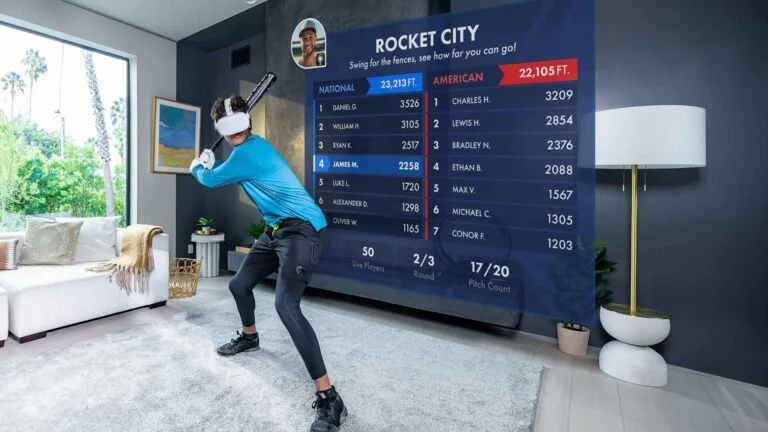
Indoor Baseball Drills
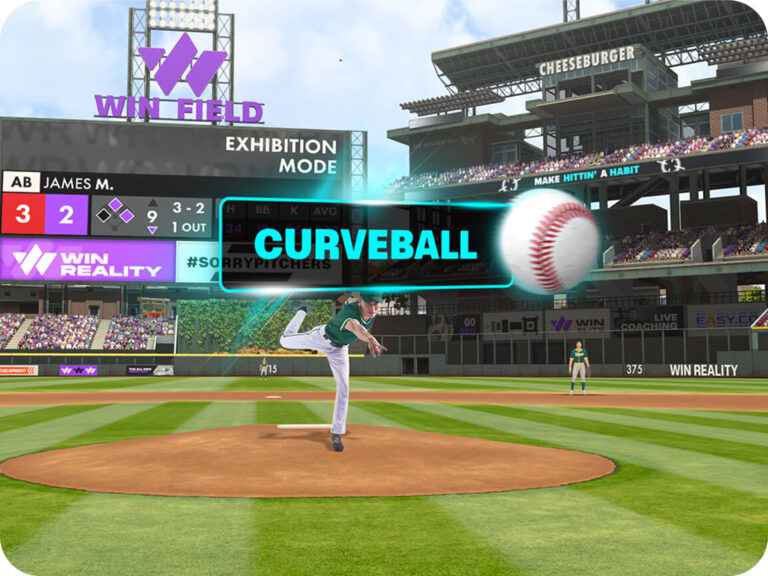
Whether it is bad weather, limited cage access, or a gap before the next practice, the right indoor routine keeps development moving year-round. The best hitters, pitchers, and defenders in the country train indoors every week. The right drills in a garage, basement, or living room can be just as productive as a full-field session. This guide covers 18 indoor baseball drills across hitting, fielding, pitching, and athletic development, plus a ready-to-use 30-minute daily routine you can start today. The Short Answer: Here are 18 indoor baseball drills organized by skill: Hitting (8 drills) – Tee Work (front, inside, outside)
Baseball, Softball, Training
What Is Pitch Recognition? A Hitter’s Guide to Seeing Pitches Earlier
You’re in the box, 2-2 count, and the pitcher goes into his windup. You feel the slider coming, but when it breaks off the plate, you’re already committed. Swing and miss. That moment is where so many at-bats are decided. Understanding what pitch recognition is in baseball and softball, and how to train it, is the difference between guessing and knowing. It’s the foundation of every quality at-bat, every two-strike adjustment, every walk drawn, every barrel found. WIN Reality built TrainVR around it for a reason. This guide breaks down exactly what pitch recognition is, what separates it from related

Baseball, Training
Baseball Hitting Drills
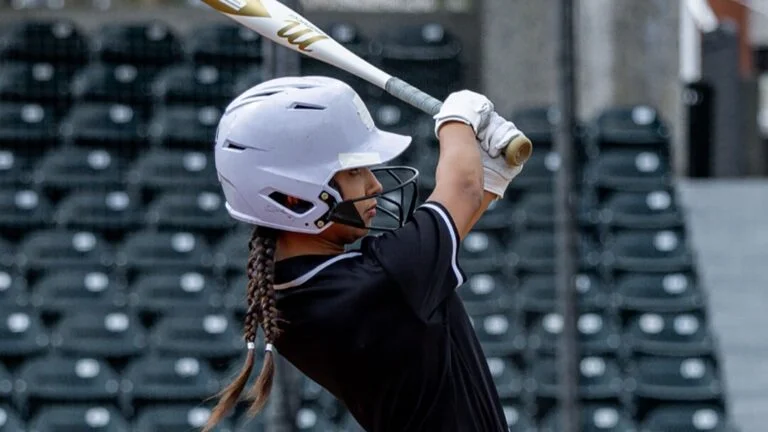
Every hitter wants the same thing: more hard contact and fewer weak at-bats. The problem is that most players only practice one part of hitting: the swing itself. Great hitters train four skills: timing, vision, bat-to-ball contact, and power. Miss one, and the others suffer. This guide breaks down 13 proven baseball hitting drills organized by those four pillars. Each drill includes step-by-step instructions, common mistakes, age recommendations, and progression levels so you can build a plan that actually works, whether you are 8 or 18. The Short Answer: Top 5 Hitting Drills Every Player Needs If you only have
Softball, Training
Indoor Softball Drills
Bad weather, short days, or no field access…none of it has to slow your development. The best softball players train year-round, and the off-season is where the biggest jumps happen. Indoor softball drills keep your mechanics sharp, your timing locked in, and your confidence growing, all without needing a full diamond. Whether you are a youth player building fundamentals, a high schooler chasing a roster spot, or a coach running winter workouts, this guide gives you 15 drills you can run in a gym, garage, or living room. The Short Answer Here are 15 indoor softball drills organized by skill:
Baseball, Softball, Training
Train Smarter, Not Just Harder: Inside the WIN Hitting System that’s accelerating player development
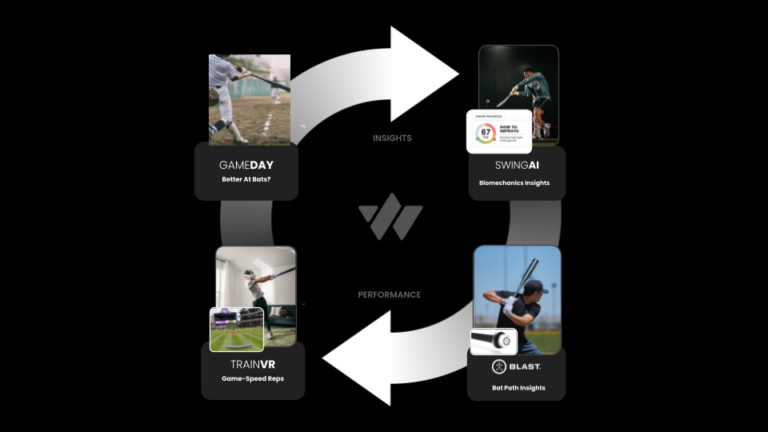
A large majority of athletes have heard the phrase “work smarter, not harder” from someone in their lives, whether it’s a parent, a coach, or a teacher. Most players practice hard. They spend hours in the cage, pay extra for private lessons, take reps off a tee, stay late after practice, and some take advantage of WIN tools. But hard work without a connected system and plan doesn’t maximize player development. Without a way to know what’s actually working, players keep making the same mistakes, and wondering why all that practice isn’t paying off. The players who develop faster are
Baseball, Announcement, Softball, Training