Youth baseball and softball experts have identified the three fundamental skills that must be mastered for a hitter to achieve their potential: Pitch Recognition, Swing Timing, and Biomechanics.
1. Pitch Recognition: Swing at the right pitch
A hitter typically has just 150 milliseconds to decide whether to swing at a pitch. This doesn’t allow for conscious, rational decision-making. Instead, the hitter must make an instinctive decision guided by the brain’s subcortical structures. Try these tools to improve your child’s instinctive decision making:
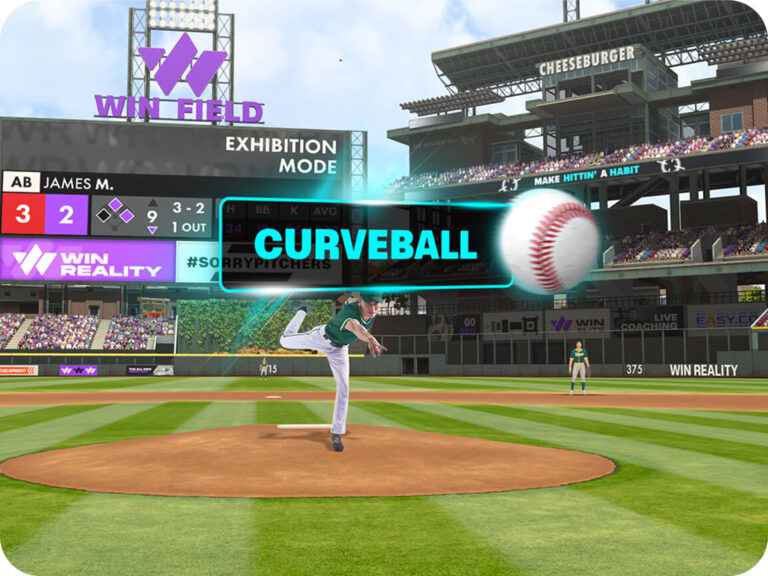
- WIN Reality: WIN Reality’s training software enables the hitter to view unlimited game speed pitches with immediate ball/strike and pitch type feedback. This unlimited repetition makes it the ideal tool to train your brain’s subcortical structures to recognize a pitch instinctively.
- Film Analysis: Reviewing game footage allows players to analyze their swing decisions in different situations. Identifying patterns and areas for improvement can lead to more strategic plate appearances.
2. Swing Timing: Find a rhythm in the box
Once the player has decided to swing, finding the right timing is critical. A swing happens very quickly. The time it takes for the bat to go from the launch position to contact with the ball is typically less than 150 milliseconds. This means that, similar to Pitch Recognition, great hitters must have an instinctive feel for timing. Try these tools to improve your child’s timing in the batter’s box:
- WIN Reality: Many top hitters use WIN to refine their timing. They select a pitcher similar to the one they will face in an upcoming game and then swing at hundreds of fastballs and offspeed pitches from that pitcher. WIN gives them immediate swing timing feedback to help them perfect their rhythm.
- Batting Cage Drills: Regular sessions in the batting cage, focusing on timing drills, can help players fine-tune their swings. Varying the speed and trajectory of pitches during these drills challenges players to adapt and improve their timing.
3. Biomechanics: The sweet science of a powerful swing
A great swing is a thing of beauty and power. Elite hitters can rotate their hips at speeds exceeding 700 degrees per second with bat speeds exceeding 70 miles per hour. Unlocking the full potential of a swing involves optimizing biomechanics, building strength and increasing mobility. Here’s how to enhance Biomechanics:
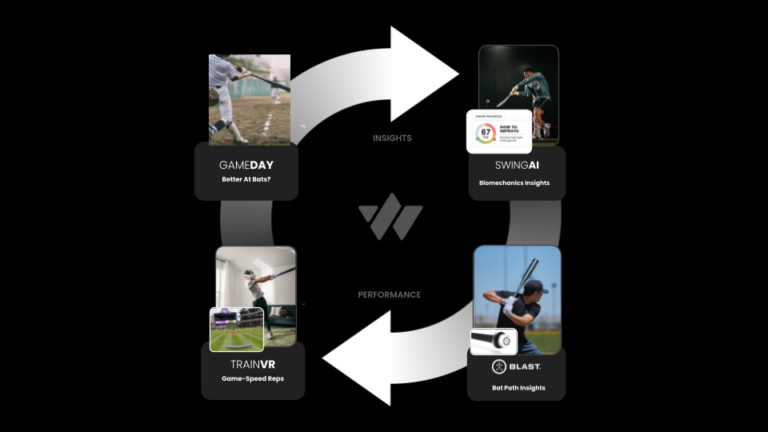
- WIN Reality: WIN uses artificial intelligence to create biomechanics reports for our Pro and Elite Academy customers during live sessions with a WIN coach. This report measures the hitter’s movement across all key biomechanical characteristics including “Pelvis Load”, “Stride Length” and “Hip-Shoulder Separation”. WIN’s coaches have been specially trained to use these reports to help your hitter improve.
- Strength and Conditioning: A strong and flexible body is crucial for optimal biomechanics. Incorporate strength and conditioning exercises, focusing on core strength and explosive movements, into your training regimen.
In conclusion, becoming a great hitter is a journey that involves mastering the art of decision-making, perfecting timing, and developing the biomechanics of a powerful swing. By incorporating these tips into training routines, players can step into the batter’s box with confidence, ready to face any pitch that comes their way.