“When hitters struggle, the first thing people want to fix is the swing. Most of the time, that’s not the real problem.”
What I see over and over again is this: Hitters aren’t late because they’re slow. They’re late because they are indecisive. Great hitters separate themselves by seeing the game differently.
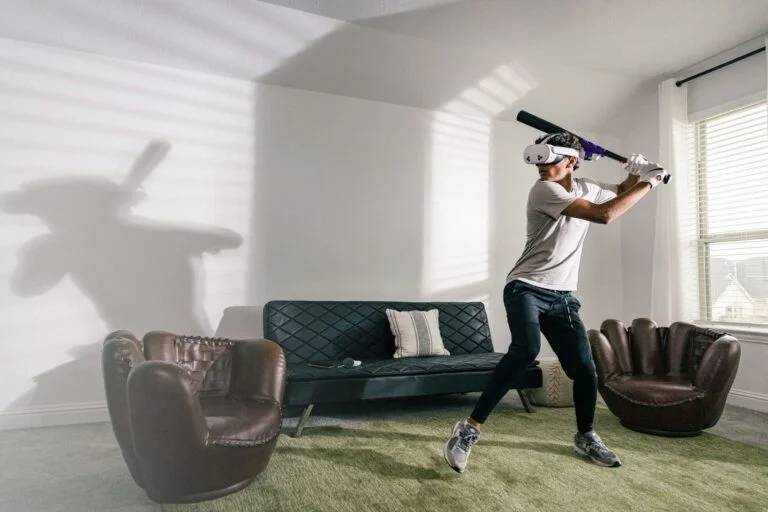
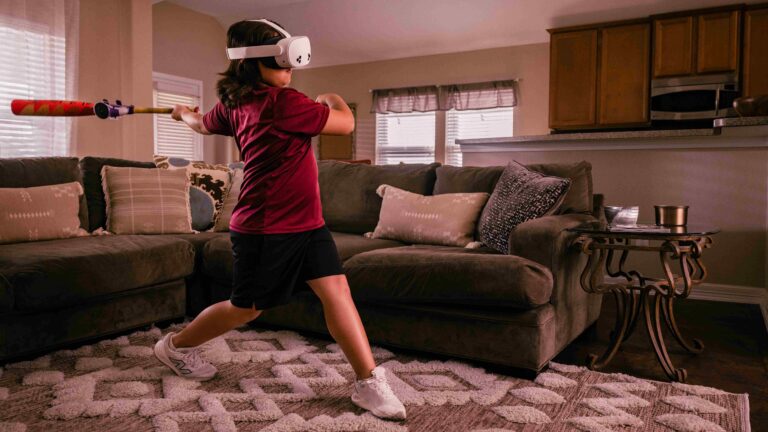
They recognize sooner, decide sooner, and commit sooner because they trust what their eyes are telling them.That’s why WIN Reality is launching the Vision Training Track, a focused five-week VR training program built to train pitch recognition, strike-zone awareness, and swing decisions at game speed.
Why Vision Is the Foundation of Hitting
Every at-bat starts with vision.
Before mechanics matter.
Before power shows up.
Before timing feels consistent.
A hitter has to:
- Pick up the ball early
- Identify pitch type and trajectory
- Decide yes or no
All in a fraction of a second.
When hitters learn to see the ball earlier and recognize what it’s doing, the game slows down. Confidence goes up. Better decisions follow.
“You can take a thousand swings in a cage and still struggle in games if you are not training decision-making.”
What the Vision Training Track Is Built to Do
The Vision Training Track is built to train:
- Pitch recognition
- Zone awareness
- A yes, yes, no mindset
- Swing vs take decisions at game speed
Hitters train these skills inside the box, at full velocity, against unpredictable pitch mixes, the same visual stress they face in games.
Vision Drills Built for Every Age and Level
As a coach, I’m intentional about meeting hitters where they are developmentally.
An 8-year-old doesn’t see the game like a varsity hitter, so we don’t train them the same way.
The Vision Training Track adapts drills and challenges by age and level, while training the same core skill: seeing the ball early and making good decisions.
Young Hitters (8U to 11U)
Awareness
At younger ages, the focus is awareness and confidence. Activities help hitters track the ball out of the hand, understand the strike zone, and make simple swing or take decisions without overload.
Developing Hitters (12U to 15U)
Early Recognition
As the game speeds up, drills emphasize earlier recognition, reading pitch shape and trajectory, and improving ball versus strike decisions against increased velocity.
Advanced Hitters (16U through College)
Intent
For advanced hitters, vision training becomes more game-like and demanding. Activities challenge hitters to recognize pitches earlier, stay disciplined with a yes, yes, no mindset, and make fast decisions under pressure.
The drills evolve, the challenge increases, but the skill stays the same. When hitters see the ball earlier, everything else gets easier.
What Players Do Inside the Vision Training Track
Inside the Vision Training Track, you train vision the way it shows up in games. You face realistic velocity, make fast yes-or-no decisions, and build trust in what you see. The core game modes include:
- Pitch Recognition: Identify pitch type and location early so you stop reacting late.
- Recognition Window: The pitch disappears early and you call ball or strike, which forces your eyes to lock in at release.
- Release Point: Train your eyes to pick up trajectory immediately out of the hand.
- Disappearing Pitch: You see limited flight and decide yes or no.
- Ghost Pitch Exhibition Mode: You track a pitch that never arrives and decide on pitch location and pitch type.
- Batting Practice and Exhibition: Face full-flight velocity, attack hittable strikes, and stop chasing pitches you cannot do damage on.
You also work inside real game counts. A 3-0 take. A 2-0 green light. A 1-2 battle. These scenarios force you to manage the zone in game-like scenarios.
Everything inside this track is built for one purpose: see the ball earlier, decide with confidence, and compete with discipline.
Why Vision Changes Everything
Elite hitters don’t win counts by guessing. They win by seeing the pitch shape early and commit with confidence.
Vision training helps hitters lay off borderline pitches, attack strikes aggressively, feel less rushed against velocity, and carry discipline from training into games.
When vision improves, better swings follow.
A Look Ahead: Timing and Power Training Tracks
Vision is one part of building a complete hitter. Next up hitters will be be able to train with:
- Timing Training Track focused on rhythm, sequencing, and being on time
- Power Training Track focused on intent, impact, and doing damage on hittable pitches
Each Training Track targets a specific part of the hitter’s game so players can train with purpose.
Start Training Vision at Game Speed
If your goal is to see the ball earlier, make better decisions, and build confidence at the plate, this is where it starts.
Train your eyes. Trust your decisions. Win more at-bats.