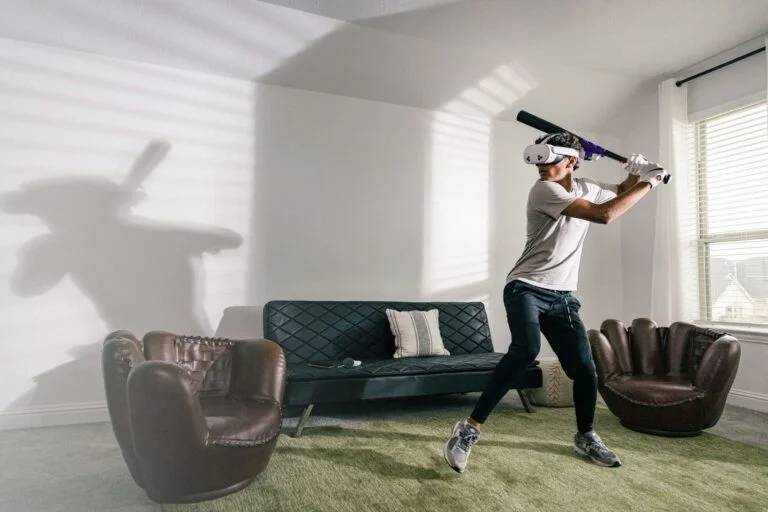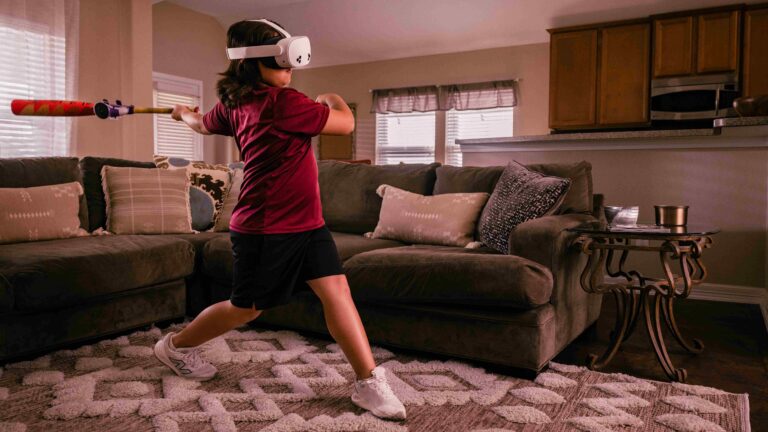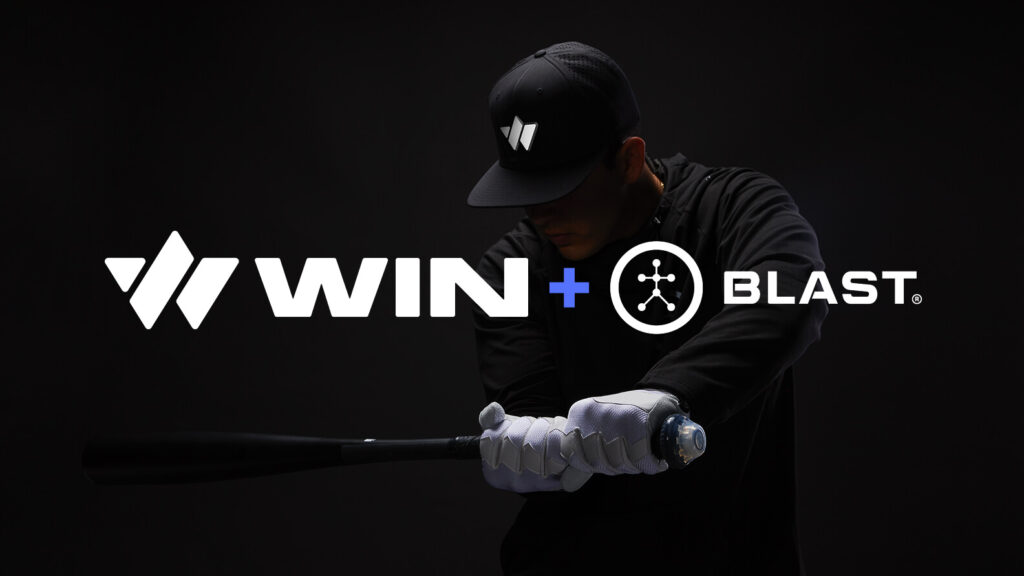
AUSTIN, TX June 23, 2025. WIN Reality, the leading virtual reality training and AI-powered swing analysis platform for baseball and softball athletes, announced the acquisition of Blast Motion, the global leader in swing sensor and motion analysis technology. Together, the two companies have powered over 500 million swings across VR, sensor, and AI-powered training, forming the largest swing dataset in sports. This strategic acquisition brings together two of the most trusted and innovative technologies in player development to create the most complete hitter development ecosystem in the game.
With this acquisition, WIN Reality expands its offering by combining its virtual reality (TrainVR) and AI-powered swing analysis tools (SwingAI) with Blast Motion’s patented sensor technology and trusted biomechanical insights. Together, they represent the most comprehensive and data-rich training environment in the sport and will help athletes improve faster by unifying game-speed reps, swing feedback, and real-time performance insights, all backed by the largest swing dataset ever assembled.
“This is a defining moment for player development,” said Chris O’Dowd, CEO of WIN Reality. “Blast Motion is one of the most respected brands in our industry, and we’ve admired what they’ve built for a long time. This acquisition allows us to expand our mission, not by changing what people love about Blast, but by amplifying it through our shared commitment to player development.”
To read more about the vision behind this move, check out a personal note from WIN Reality CEO Chris O’Dowd: Why We Acquired Blast Motion
Blast Motion is used by 36 professional baseball teams, over 300 college programs, and thousands of high school and youth organizations. Its technology is also trusted by elite programs in softball and 200+ golf tour pros, expanding its reputation as a cross-sport leader in swing performance. The platform delivers trusted insights that help athletes measure, understand, and improve their swing, earning its place as one of the most widely adopted tools in these sports.
“From the beginning, Blast saw a future where real-time motion data could fundamentally change how athletes train and improve,” said Michael Fitzpatrick, CEO of Blast Motion. “Our mission has always been to turn that vision into reality by delivering actionable insights that help players at every level, from professional to youth, to improve their performance. Joining forces with WIN Reality allows us to scale that vision in ways we only imagined early on. Together, we’re creating a next generation athlete development network that will continue to shape the future of sports development.”
WIN Reality and Blast will continue to operate as standalone apps in the near term, while working toward a shared roadmap to unlock new training experiences across baseball, softball, and golf. Existing baseball and softball customers of both platforms will experience no disruption to service, and Blast’s golf users will continue to benefit from the same trusted performance insights they rely on today.
The acquisition underscores WIN Reality’s continued investment in innovation, athlete development, and expanding access to elite training tools previously reserved for professionals.
About WIN Reality
WIN Reality is a baseball and softball player development company combining game-speed VR training, swing decision reps, and AI-powered mechanics analysis. Trusted by MLB organizations, top colleges, and travel and youth programs nationwide, WIN helps hitters build confidence, sharpen decision-making, and develop elite skills at every level.
About Blast Motion
Blast Motion is the industry’s leading motion sensor and swing analysis platform, providing real-time feedback and performance insights to athletes, coaches, and scouts. Trusted by top-tier organizations across baseball, softball, and golf, Blast’s patented technology helps athletes across sports measure, understand, and improve swing performance.
Media Contact:
Luke Swan
[email protected]