
Announcement, Baseball, Featured, Softball
How SmartParks Change Everything
- by Chris O'Dowd, CEO of WIN Reality
WIN Reality's CEO, Chris O'Dowd, shares how SmartPark will change the game by capturing over 125 live performance metrics, including pitch velocity, spin rate, movement profiles, bat speed, swing mechanics, ball flight data, and more.
Baseball, Softball, Training
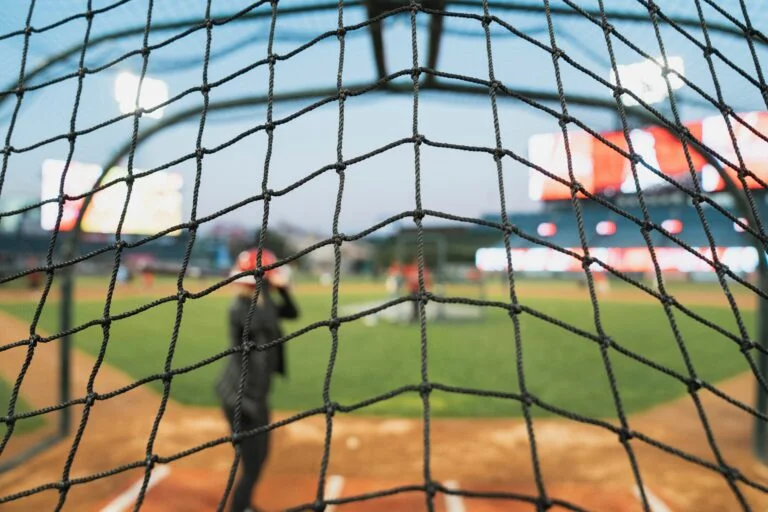
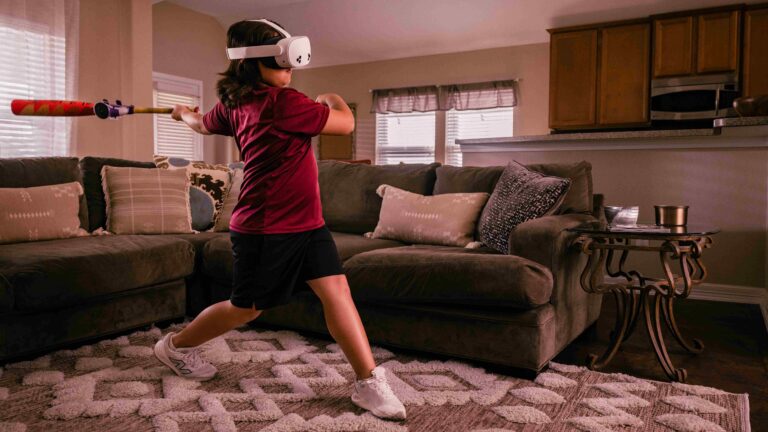
Batting Cage Alternative at Home: How to Train Hitting Without a Cage
October rolls around and the cage closes. The field gets muddy. Your backyard is too small, the weather won’t cooperate, and next season is already four months away. Every hitter looking for a batting cage alternative at home either falls behind or pulls ahead in that window depending on how they train. The good news: you do not need a batting cage to build a complete hitter. You need the right setup for the right skills, and one tool that covers the part almost every at-home training setup misses entirely. The Short Answer Yes, you can replace most batting cage
Baseball, Recruiting
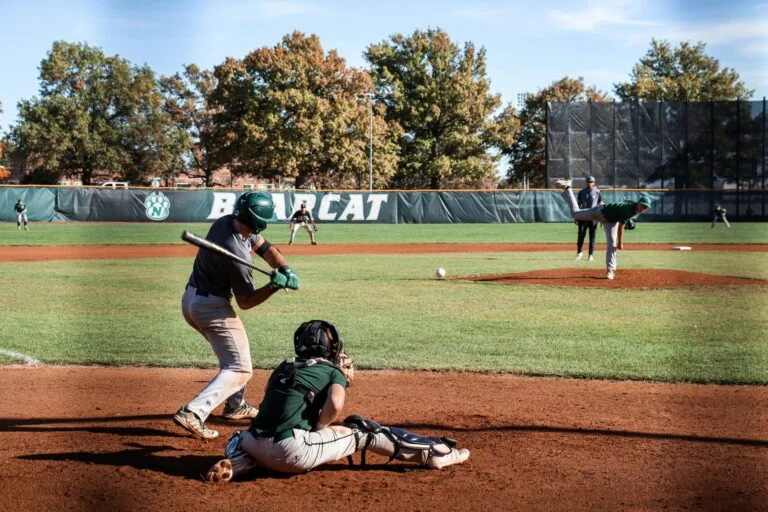
What Do College Coaches Look For in Baseball Recruits? The Measurables That Matter
You’ve put in the reps. You have the grades. Now you want to know exactly what do college coaches look for in baseball, what they’re writing down when they watch you play. The answer is no longer just “tools and character.” Modern college programs run data-driven evaluations. They track exit velocity, bat speed, and pitch recognition side-by-side with traditional scouting. If you understand what coaches measure and why, you can train and present yourself with precision instead of hoping your numbers speak for themselves. The Short Answer: Coaches evaluate baseball recruits on four layers: physical tools and measurables, game skills
Baseball, Training
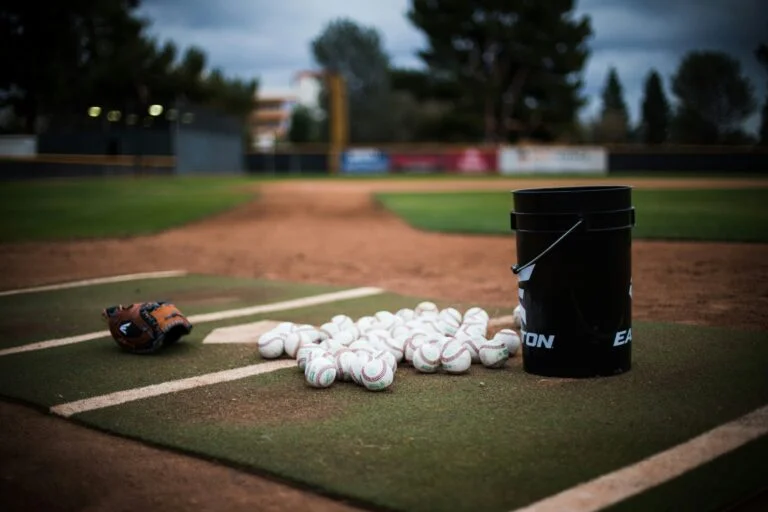
Baseball Drills for 13–14 Year Olds: A Coach’s Plan for Travel Ball Practice
Your 13U and 14U players aren’t youth players anymore, but they’re not varsity hitters yet either. That’s the problem. Most 14U players will be playing on a 60/90 field for the first time, with the mound sitting 60’6″ from home plate, which is 6.5 feet farther than 13U. At the same time, an above-average 14U pitcher throws approximately 70 mph, giving hitters only 0.59 seconds to react. An outstanding pitcher at 75 mph cuts that window to 0.55 seconds. The drills that got your players here won’t get them where they’re going. This guide gives you a coach-first baseball drills
Baseball, Training
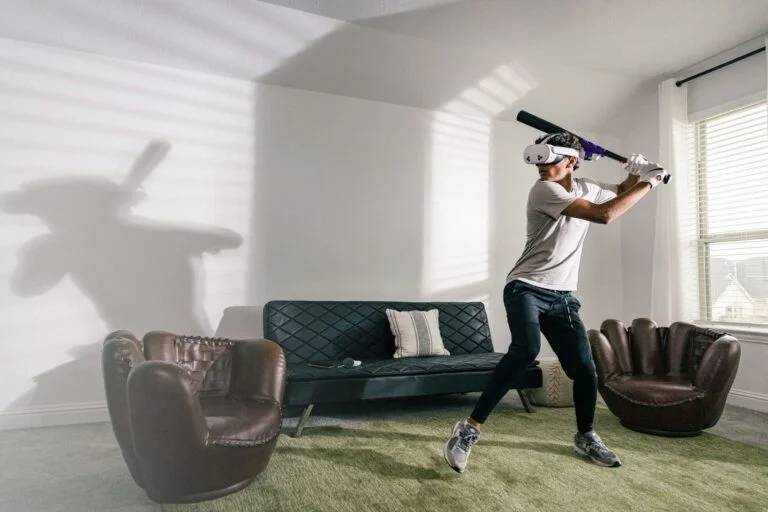
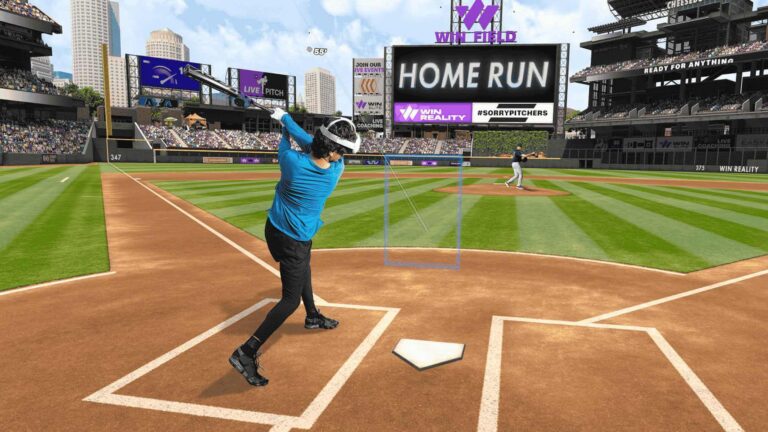
Does VR Baseball Training Work? What the Research and WIN Reality Data Show
You’ve heard the question in every dugout and batting cage: Is this VR stuff actually going to help my hitter, or is it an expensive gimmick? That question deserves a straight answer backed by real data. The short answer is yes, VR baseball training works. But what it works for matters. The evidence is strong for visual decision skills: pitch recognition, timing, strike-zone discipline, and swing decisions. It is not a replacement for tee work, live BP, or mechanics coaching. Use it for the right skills and you’ll see measurable gains. Misuse it as a contact simulator and you’ll walk
Baseball, Softball
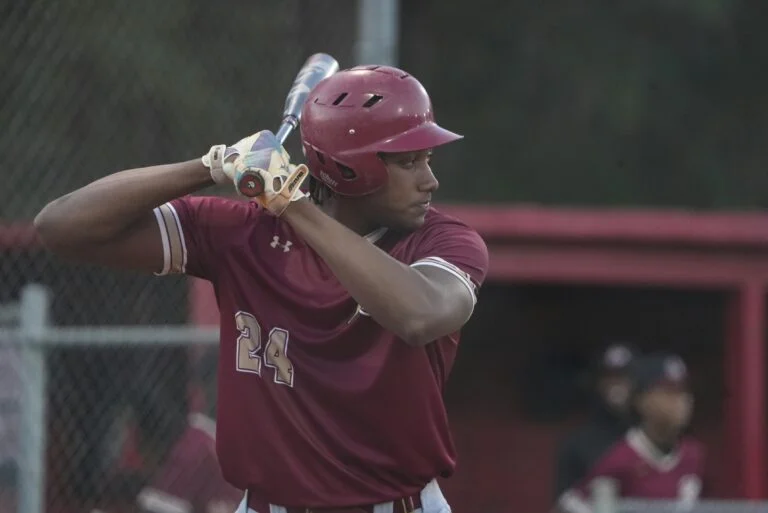
Bat Speed by Age: Average MPH for Youth, High School & College Hitters
Bat speed is one of the most important numbers in a hitter’s development. It measures how fast the barrel moves through the zone at contact and it directly determines how hard and how far you can hit the ball. Whether you are a 10-year-old just learning to drive the ball or a college hitter chasing a roster spot, knowing where your bat speed stands relative to your age group gives you a clear target and a training roadmap. This guide breaks down bat speed benchmarks by age, explains the relationship between bat speed and exit velocity, covers softball-specific numbers, and
Baseball, Recruiting
College Baseball Recruiting Timeline: Grade-by-Grade Guide
You’re a high school hitter with two years of varsity ahead of you. Your exit velocity is climbing, your coach says you have D1 potential, and now you’re searching for a college baseball recruiting timeline, only to find every guide you land on was written before the rules changed. On June 6, 2025, the NCAA formally adopted the House v. NCAA settlement terms. For baseball specifically, those changes are dramatic enough that most pre-2025 recruiting advice is now partially wrong. If you’re working toward a college roster spot, you need a roadmap built around current rules. This guide breaks it
Baseball, Softball, Training
Exit Velocity by Age Chart (8–18): Is Your Player On Track?
Baseball, Training
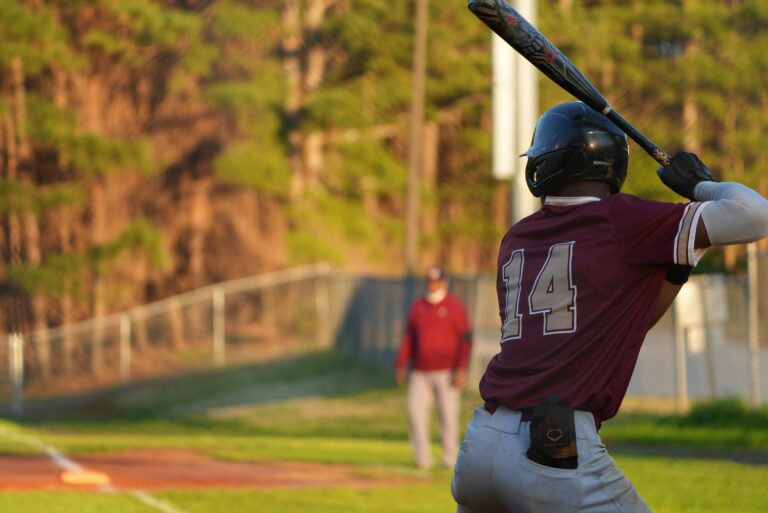
High School Baseball Hitting Drills for Coaches: 15–18 Year Old Hitter Development Plan
Your JV hitter can’t stay back on a breaking ball. Your varsity cleanup man rolls over everything inside. Your college-track outfielder looks great in the cage and disappears at showcases. These are not mechanics problems, they’re development problems. And they require a drill system built for the 15–18 window, not a generic list borrowed from a youth practice plan. This guide gives you that system. We’ll break down how to train JV hitters, varsity players, and recruiting-track prospects using drills matched to real problems, structured progressions, and the kind of game-speed reps that actually transfer to the plate. The Short
Baseball, Training
Indoor Baseball Drills
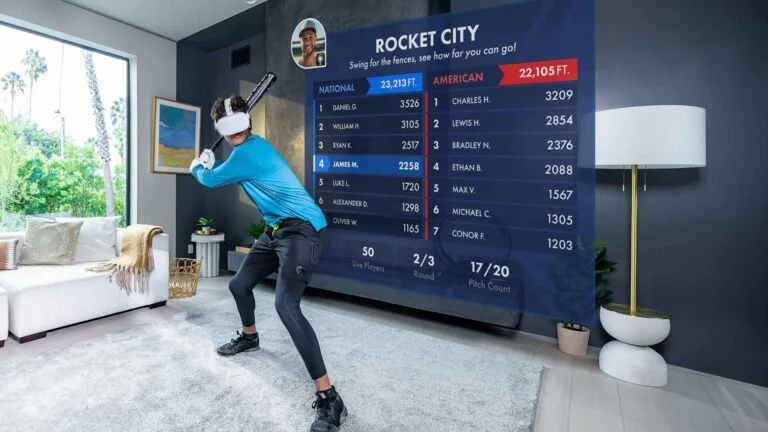
Whether it is bad weather, limited cage access, or a gap before the next practice, the right indoor routine keeps development moving year-round. The best hitters, pitchers, and defenders in the country train indoors every week. The right drills in a garage, basement, or living room can be just as productive as a full-field session. This guide covers 18 indoor baseball drills across hitting, fielding, pitching, and athletic development, plus a ready-to-use 30-minute daily routine you can start today. The Short Answer: Here are 18 indoor baseball drills organized by skill: Hitting (8 drills) – Tee Work (front, inside, outside)