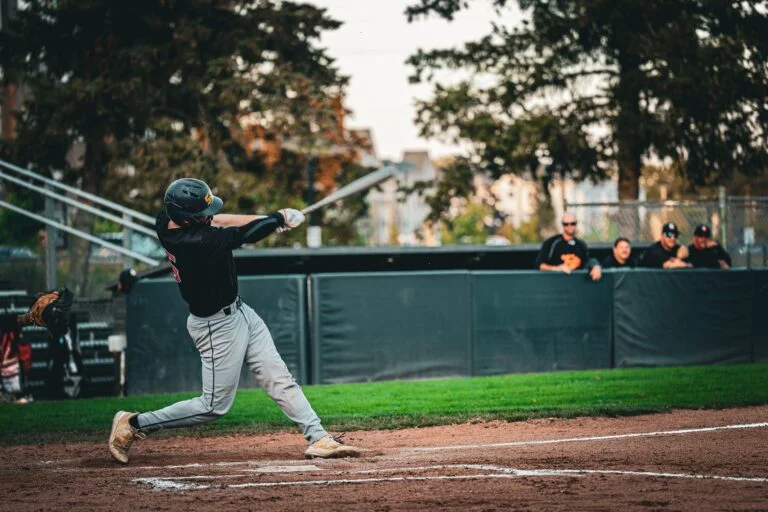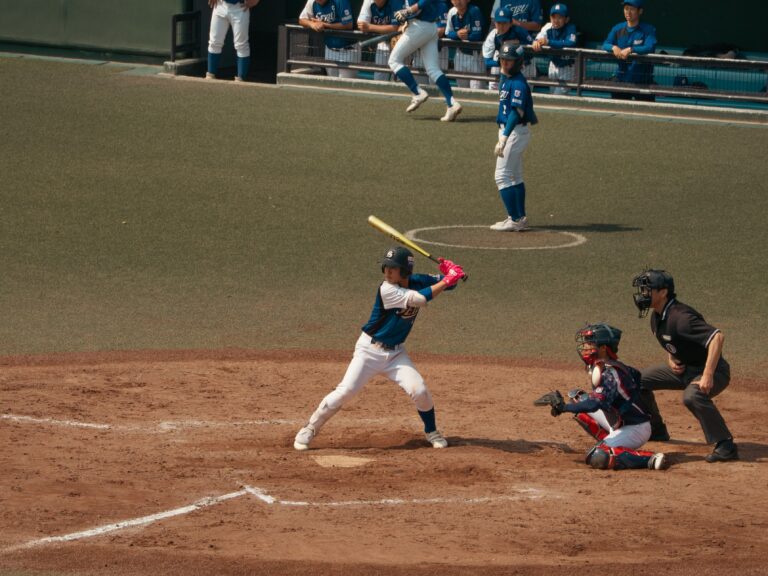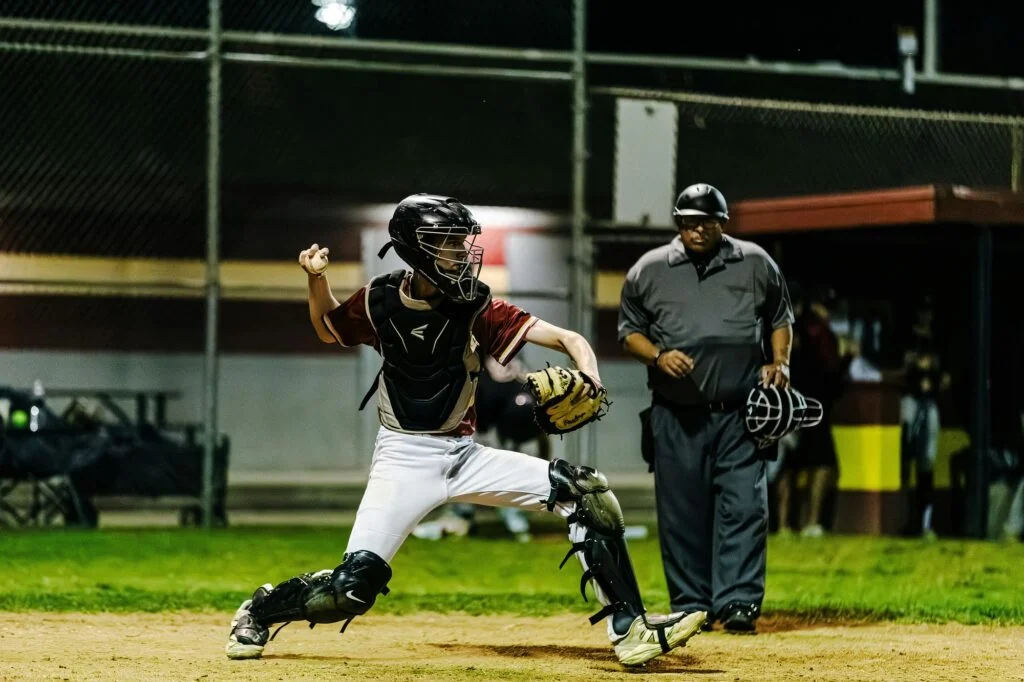
It’s the third inning of a fall scrimmage, and a parent behind the backstop yells for a robot ump. Your assistant turns and asks the real question: is ABS allowed in high school baseball? As of Nov 2026, the answer depends on your level, so this guide breaks down 4 levels and the source behind each one.
The Short Answer: Is ABS Allowed in High School Baseball?
The NFHS 2026 Baseball Rules Book has no ABS or challenge provision. It gives every ball and strike call to the umpire-in-chief. The NCAA approved an optional, experimental ABS challenge system for all 3 divisions starting in 2027, when available.
MLB has used the ABS Challenge System since the 2026 season. For high school and travel ball, the answer is “no ABS provision found.”
Takeaway: Check your state association or tournament director before you plan ABS for any high school or travel ball game.
Why This Matters Right Now
MLB’s ABS Challenge System announcement put challenges into every Spring Training, regular-season and postseason game in 2026. In August 2026, the Associated Press reported that NCAA oversight groups for Division I, II and III approved a challenge option. Teams can use it in regular-season and postseason games, when available.
That puts ABS 2 levels above your dugout. Your players watch challenges on every MLB broadcast and follow their college targets. They expect the same call at the ballpark, and their parents ask you about it during 7-inning games.
Takeaway: Have a level-by-level answer ready before the 2027 season starts.
The Problem Everyone Experiences: ABS Rules Change at Every Level
You hear “robot umps” on every broadcast. The rules behind that phrase change at each level, and 2 of the 5 rows below show no published ABS provision as of Nov 2026.
Level | Status as of Nov 2026 | Source | What to Check |
|---|---|---|---|
MLB | Challenge System in all games since 2026; 2 challenges per club | MLB press release | Nothing; the rule is set |
Minor League Baseball | All of Triple-A since 2023; Florida State League since 2021 | MLB press release | Your affiliate’s level |
NCAA Division I, II, III | Optional, experimental rule for 2027, when available | AP; Baseball America | Your conference and home park |
High school (NFHS) | No ABS provision found | NFHS 2026 Baseball Rules Book | Your state association |
Travel ball and youth | Not verified; no published ABS provision found | Little League umpire FAQ | Your sanctioning body and tournament director |
MLB and Minor League Baseball
The MLB press release confirms the Challenge System runs in all Spring Training, Championship Season and Postseason games. Each club starts with 2 challenges and keeps every successful one. The Florida State League has used ABS since 2021, and all of Triple-A has used it since 2023.
NCAA College Baseball
The NCAA option covers all 3 divisions in 2027 as an experimental rule. Baseball America reports that the framework doesn’t require every school to install or operate the system. Challenges apply only at parks with the required tracking technology.
At the May 2026 SEC Tournament trial, each team opened with 3 challenges, per the same report. Of 105 challenged calls, 59 were overturned (56.2%). The Sun Belt Conference will debut ABS in 2027 conference play, so expect adoption to vary by conference.
High School Baseball Under NFHS Rules
The NFHS 2026 rules book contains no ABS or challenge provision. Rule 10-1-4 makes the umpire’s ball-or-strike judgment final. Rule 10-2-1 has the umpire-in-chief call and count balls and strikes.
Rule 10-1-5 prohibits game officials from using video or equipment to make calls. Rule 2-35 defines a stance-based zone, with the top halfway between the shoulders and waistline and the bottom at the knees. Your state association can adopt or modify NFHS rules, so confirm with them.
Travel Ball and Youth Baseball
As of Nov 2026, we found no published ABS provision from travel ball sanctioning bodies, the NAIA or the NJCAA. The Little League umpire FAQ says managers and coaches should not have any electronic device on the field. No ABS provision surfaced in Little League’s umpire guidance.
Takeaway: Only MLB, Minor League Baseball and the NCAA (2027) have verified ABS rules; everywhere else, you verify locally.
How ABS Challenges Actually Work
In the challenge format, the plate umpire calls every pitch. A batter, pitcher or catcher disputes a call, and the tracking system reviews it. In MLB and the SEC trial, a successful challenge stays with the team for later innings.
The ABS zone differs from your rule-book zone. MLB.com’s ABS explainer defines it as a 2D plane over the middle of the plate, 17 inches wide. The top sits at 53.5% of the batter’s height and the bottom at 27%.
The NFHS zone in Rule 2-35 moves with the batter’s natural stance. At a SmartPark, fixed optical cameras and MLB-grade tracking technology capture every pitch. See how the ABS challenge system runs at every SmartPark.
Takeaway: Teach your hitters both zones: the height-based ABS zone at events and the stance-based zone in NFHS games.
Common Misconceptions About ABS Rules
Coaches repeat 4 myths every season. Here’s the record:
“ABS is banned in high school.” The NFHS book has no ABS provision, and Rule 10-1-5 addresses game officials’ equipment.
“ABS replaces the umpire.” In MLB’s challenge format and the SEC trial, human umpires call every pitch.
“The ABS zone matches the rule book.” MLB’s zone uses 27% and 53.5% of height, while the NFHS zone follows the stance.
“Every college game will use ABS in 2027.” The NCAA option is experimental and depends on each park’s technology.
Takeaway: Use “no ABS provision found” with parents and players, and point them to the source.
What Changes in Practice for Your Program
Run this 5-step checklist before your next event:
Email your state association and ask whether any 2027 rule or interpretation covers ABS challenges.
Ask the tournament director in writing whether ABS calls count before you register.
Use ABS in practices and scrimmages where the host permits, so hitters learn the 17-inch zone.
Give each side 2 challenges in scrimmages to mirror the MLB format.
Ask your players’ college targets whether their home park will run ABS in 2027.
Takeaway: Get every ABS answer in writing from the body that runs your game.
Beyond ABS: The Full SmartPark Game Day
Automatic Balls & Strikes is 1 of 4 core SmartPark features. The Pace of Play Clock keeps games moving. Game Scoring keeps the record, and the Fan In-Game App brings families into every inning.
SmartPark captures 125+ live metrics:
35 Game Metrics
88 Ball Metrics
12 Bat Sensor Metrics
12 Biomechanic Metrics
The Optical Camera System and LED Display handle capture and display at the field. Start with the SmartPark System Overview, then read what a smart baseball field does.
Takeaway: ABS is the entry point; 125+ metrics turn every event into game-day data.
Frequently Asked Questions: Is ABS Allowed in High School Baseball?
Can I Use ABS in a Sanctioned High School Game?
As of Nov 2026, no ABS provision was found in the NFHS 2026 rules book. Rule 10-2-1 assigns balls and strikes to the umpire-in-chief. Check your state association.
Can Travel Ball Tournaments Use ABS?
We found no published ABS provision from travel ball sanctioning bodies. Ask your tournament director before the event.
How Many Challenges Does Each Team Get?
MLB clubs start with 2. The SEC trial used 3 per team. Confirm the 2027 NCAA rule text for the final count.
Will Every College Use ABS in 2027?
No. The NCAA rule is experimental and optional, when available. The Sun Belt will use it in 2027 conference play.
Can I Run SmartPark ABS at Practices and Showcases?
Yes, where the host permits. SmartPark ABS fits practices, scrimmages, showcases, events and tournaments.
Run Your Next Event Like the Pros
Your players will meet ABS at the next level. Give them reps with a consistent zone and 125+ live metrics at your events, scrimmages and showcases.