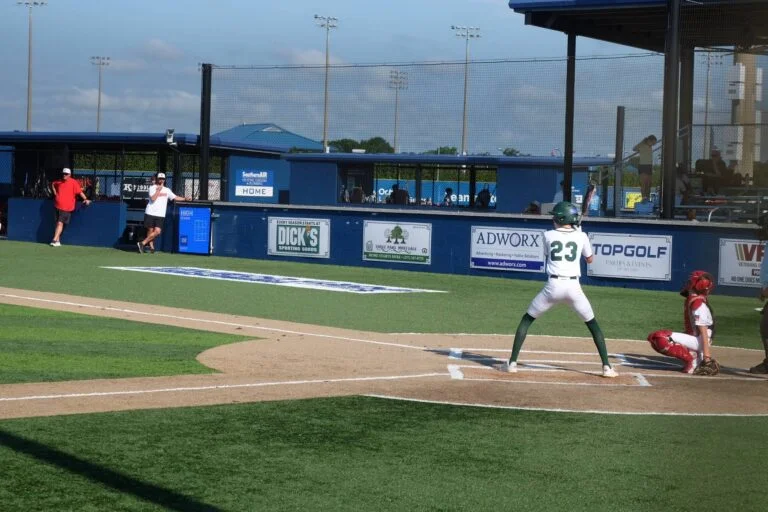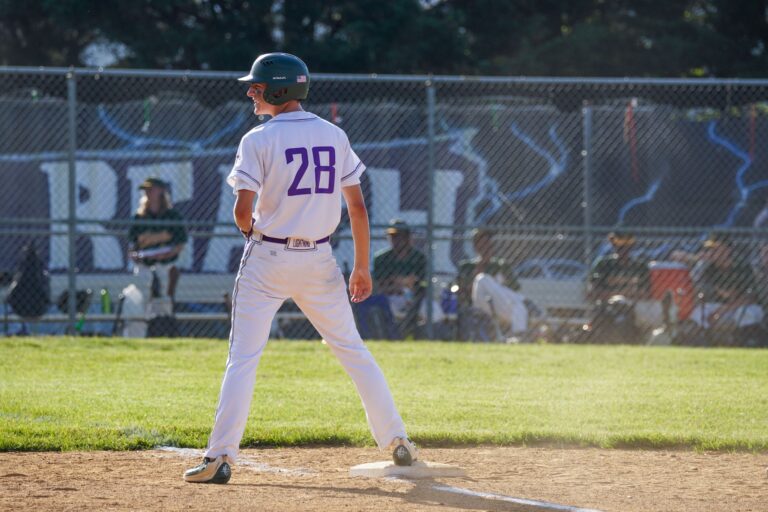
At 11-12 years old, hitters face a major shift: curveballs. For the first time, pitchers throw pitches that change speed and break vertically and horizontally. This is a significant jump from the generally straight fastballs and occasional changeups they’ve faced before. Learning to recognize, commit to, and drive breaking balls requires new adjustments in both mindset and swing mechanics.
This is also when the game gets competitive. Travel ball tournaments, regional events, and the transition to full-diamond baseball make this a pivotal development window.
For younger players, see our guides for 9-10 year olds and 7-8 year olds. Check out WIN Reality’s age-by-age curriculum for the full path.
Our favorite drills for 11-12 year olds are:
Key Hitting Skills for 11-12 Year Olds
Learning the Curveball
Curveballs change everything. Hitters must train to recognize them early, make good swing decisions, and then put quality swings on them. This takes specific reps. You can’t learn to hit curveballs by only seeing fastballs.
Keeping the Bat Inside and Through the Ball
Staying inside the ball means staying tighter to the body and more direct to the ball. This maintains barrel control, creates deeper contact points, and allows hitters to commit later on off-speed pitches. Staying through the ball creates a larger contact window, a safety net when timing isn’t perfect.
Controlling the Strike Zone
While aggressiveness is still important, 11-12 year olds need to start building strike zone awareness. Over-aggressiveness and chasing out of the zone limits success. With pitchers improving their command, hittable pitches become fewer and more valuable. Recognizing and driving them is what separates hitters at this level.
What To Look For
- Under control during the load and forward move
- Maintaining hip hinge — not standing up when they see a curveball
- Top hand palm up, bottom hand palm down at contact
- At extension, the end of the bat points at the pitcher
- Still squaring up fastballs (this shouldn’t suffer with curveballs in the mix)
- Confident, damage-oriented swings
What Not To Be Concerned By
- Getting fooled on off-speed — they just need more reps
- Missing curveballs or going slightly out of the zone for a breaking ball if they put a good swing on it
- Check swings — this is encouraging because it shows aggression plus recognition
The Best Hitting Drills for 11-12 Year Olds
Deep Tee Drill
Don’t outgrow the tee. The Deep Tee Drill helps hitters let the ball travel deep in the zone, establishing a bat path that enters the zone early and tight, creating cleaner, more consistent contact.
Step Back Drill
For hitters struggling to coil into their back hip and create a good negative and forward move. Builds rhythm and helps time up moves at the plate.
Stop at Contact Drill
Teaches hitters to stay connected and avoid releasing the barrel away from the body. Builds the ability to control effort, stay inside the ball, and match the plane of the pitch.
Power V Drill
For hitters who over-rotate their torso. Teaches staying inside and behind the ball, controlling effort, and decelerating properly. Builds swing direction through the ball, not around it.
Hard/Soft Drill
Essential for hitters who struggle adjusting to off-speed pitches or get sped up after seeing off-speed. The environment teaches proper coiling and forward-move timing.
Simulated At Bats
Full distance or short-box. Add counts, track results, and create competitive pressure. Use Incredi-balls if fear of getting hit is a factor. Limit to 5-7 high-focus at-bats per session.
Fielding Drills for 11-12 Year Olds
Relay and Cut-Off Plays
- Set up a full infield and outfield (or use 4-5 players to simulate)
- Hit balls to the outfield — the outfielder throws to the cut-off man, who relays to the correct base
- Call out the scenario before each play (“runner on second, ball hit to right field”)
This builds game-awareness fielding, knowing where the throw goes before the ball is hit.
Situational Ground Balls
- Set up infielders at their positions
- Call the situation: “Runner on first, one out”
- Hit a ground ball — each fielder must know their responsibility
This drill transitions players from reactive fielding to proactive, situation-aware defense.
Short-Hop Practice
- From 30-40 feet, throw short-hops to infielders at first base, shortstop, or second
- Focus on soft hands, reading the hop, and staying through the ball
Short-hop catches are the difference between good infielders and great ones at 12U and beyond.
Pitching Development and Arm Care
At 11-12, many players start pitching more seriously. Development and safety go hand-in-hand:
Pitch Count Guidelines
- 9-10 year olds: 75 pitches per game max
- 11-12 year olds: 85 pitches per game max
- Rest days: 1 day off after 21-35 pitches, 2 days after 36-50, 3 days after 51-65, 4 days after 66+
These guidelines are based on USA Baseball recommendations and protect developing arms from overuse injuries.
Arm Care Routine
Every pitcher at this age should perform a 10-minute arm care routine before and after throwing:
- Band pull-aparts (2 sets of 15)
- Shoulder external rotation with bands (2 sets of 10 each arm)
- Wrist flexion/extension stretches
- Gentle long toss progression starting at 30 feet and working out to 90 feet
Preparing for Full-Diamond Baseball
The transition from 46/60 Little League fields to 50/70 or 60/90 fields is a major adjustment. Here’s what changes and how to prepare:
- Longer throws: Shortstop to first goes from 60 feet to 84-127 feet. Build arm strength with long toss progressions.
- Bigger base paths: Running 70 or 90 feet requires more speed and smarter baserunning. Practice lead-offs and reads.
- Faster pitching: Pitchers on a bigger mound throw harder. Increase the speed of front toss and machine work gradually.
- More time for curveballs: With increased mound distance, breaking balls have more time to move. This makes recognition even more important.
Weekly Training Schedule
| Day | Focus | Duration |
|---|---|---|
| Monday | Hitting: Deep Tee + Hard/Soft Drill + Simulated ABs | 75 min |
| Tuesday | Fielding: Situational ground balls + Relay plays | 60 min |
| Wednesday | Arm care + Light catch + WIN Reality VR reps | 30-45 min |
| Thursday | Hitting: Stop at Contact + Power V + Live BP | 75 min |
| Friday | Pre-game prep or combined practice | 60 min |
| Saturday | Game day | — |
| Sunday | Rest or light activity | — |
Balance hitting, fielding, pitching development, and rest. At 11-12, overtraining is a real risk — structured rest is as important as structured practice.
How WIN Reality Can Help
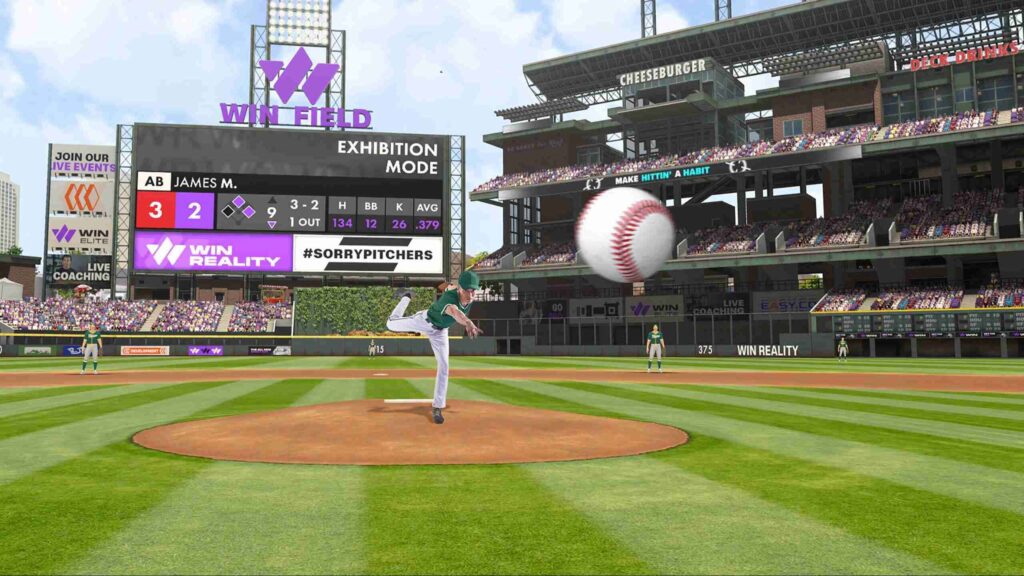
The biggest advantage at 11-12 is curveball recognition, and it takes volume. WIN Reality’s VR platform lets hitters face curveballs, sliders, and changeups at game-realistic speeds from pitcher animations that replicate real deliveries.
Players can:
- Train curveball recognition: See hundreds of breaking balls without needing a pitcher who can throw them consistently
- Build timing against mixed sequences: Face fastball-curveball sequences that train real-game adjustability
- Track development: The platform measures timing, pitch recognition accuracy, and swing decisions over time
Combined with the SwingAI app for swing mechanics feedback, hitters get a complete development system they can use at home, every day.
Explore WIN Reality’s pricing options to find the right plan for your player.