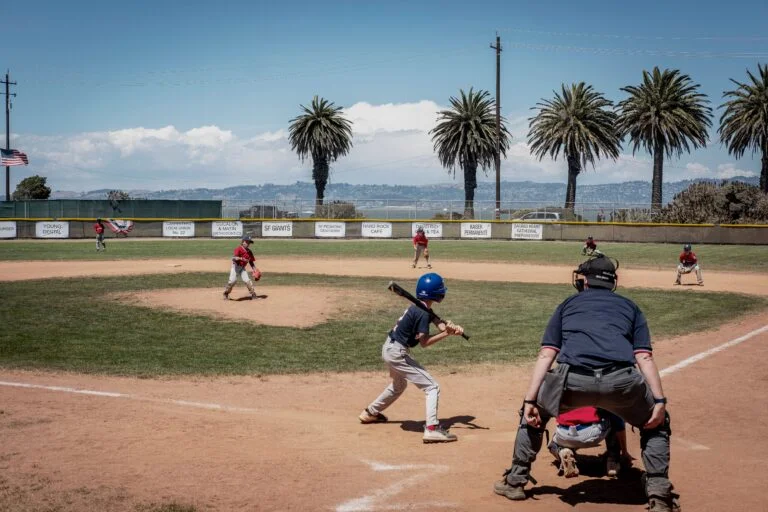
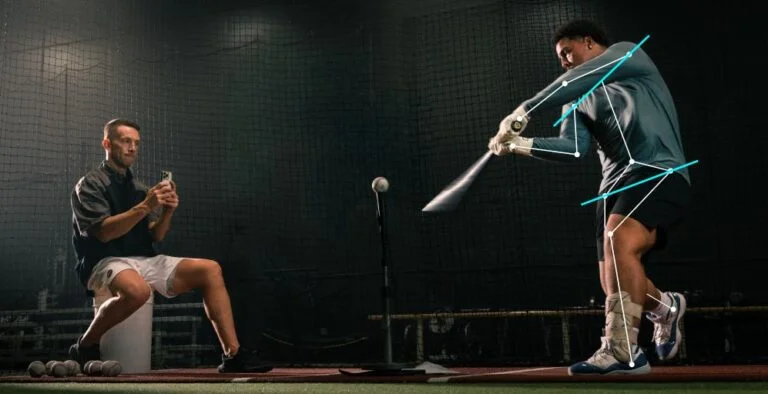
When it comes to improving your swing, consistency is key. For baseball and softball players looking to take their skills to the next level, having the right setup at home can make all the difference. Enter the backyard batting cage—a game-changing addition to your training arsenal. No more trips to the local batting cage or worrying about limited practice time. With your effective batting cage, you can train whenever you want.
The Short Answer: The best backyard batting cages for the 2025 season combine durability, ease of setup, and affordability. Here are our top five picks:
- Fortress Ultimate Baseball Batting Cage
- Skywalker Sports Competitive Batting Cage
- Heater Sports Power Alley Batting Cage
- Inflatable Batting Cage
- Kapler Heavy-Duty Baseball Batting Cage
These models vary in size, frame strength, and netting, ensuring there’s something for every skill level and budget. Now, let’s dive deeper into what makes these batting cages the best options for your backyard.
What to Look for in a Backyard Batting Cage
Selecting the perfect backyard batting cage involves more than just finding a net. Here’s what to consider:
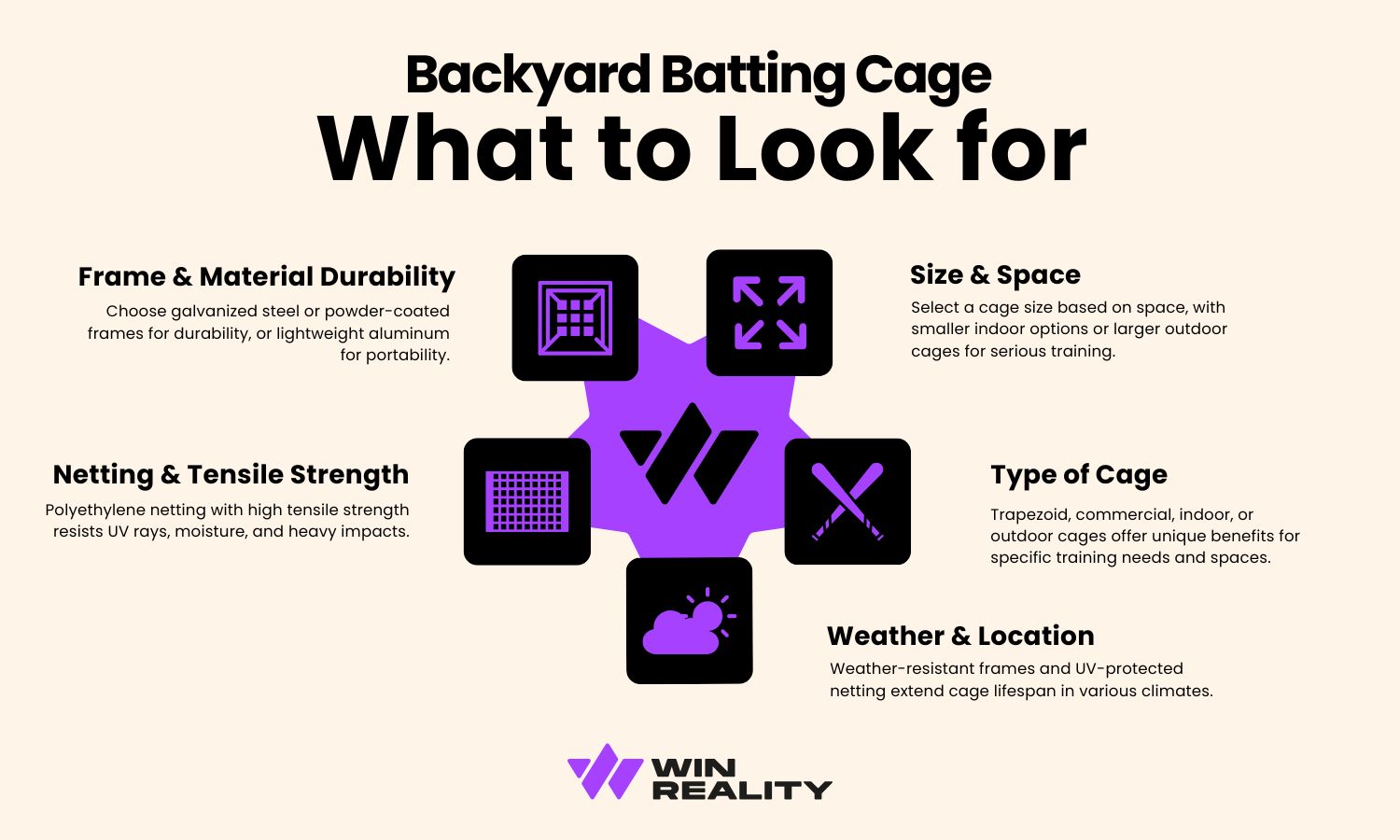
1. Frame and Material Durability
A sturdy batting cage frame is the backbone of any good cage. Look for frames made of galvanized steel or powder-coated materials to withstand weather conditions and frequent use. Lightweight options like aluminum frames are ideal for portability but may lack the tensile strength required for heavy-duty practice.
2. Netting and Tensile Strength
The quality of the batting cage net is critical. Polyethylene netting is a popular choice for its durability and resistance to UV rays and moisture, making it suitable for outdoor use. Cage netting with high tensile strength ensures it can handle consistent hits without wear and tear.
3. Size and Space
Consider the right size for your space and training needs. Standard backyard cages are 35–70 feet long, with widths ranging from 10–14 feet. Smaller indoor batting cages are ideal for limited spaces, while larger outdoor batting cages are great for serious players with expansive backyards.
4. Type of Cage
- Trapezoid Batting Cage: A space-efficient option with slanted sides, making it easier to assemble and maintain.
- Commercial Batting Cage: Heavy-duty and designed for team practice or extended training.
- Indoor Batting Cage: Perfect for training in garages or other enclosed spaces, especially during harsh weather, these batting cages are typically smaller in size.
- Outdoor Batting Cage: Built for backyard use, with weather-resistant materials to handle the elements.
5. Weather Conditions and Location
If your area experiences frequent rain, opt for cages with weather-resistant frames and netting. For sunny climates, UV-protected netting will ensure longevity.
GET STARTED WITH WIN REALITYOur Top 5 Backyard Batting Cages
Here’s a closer look at our top picks for the 2025 season, each designed to suit different needs and budgets:
1. Fortress Ultimate Baseball Batting Cage
The Fortress Ultimate is a heavy-duty backyard batting cage with a steel frame and UV-resistant netting. Available in multiple sizes, it offers versatility for players of all skill levels. Its robust frame ensures stability, even during windy conditions, and the polyethylene netting can handle countless hours of batting practice.
Pros: Durable, easy setup, customizable sizes
Cons: Requires more space
2. Skywalker Sports Competitive Batting Cage
Ideal for backyard use, this trapezoid batting cage features a lightweight yet durable design. The powder-coated steel frame ensures rust resistance and also is easily collapsible to move wherever you want.
Pros: Affordable, portable, great for youth players
Cons: Higher price point
3. Heater Sports Power Alley Batting Cage
This option is perfect for players looking to use their cage for tee work and front toss. The Power Alley features a fiberglass frame and 1-inch polyethylene netting, making it both sturdy and lightweight.
Pros: Lightweight, budget-friendly, lower cost
Cons: Limited durability for frequent use, smaller cage
4. Inflatable Batting Cage
The inflatable batting cage is a unique and innovative option for players seeking a portable, quick-setup solution for batting practice. Made from heavy-duty PVC material, this cage is designed for durability while remaining lightweight and easy to transport. It inflates in minutes using an included air pump, making it ideal for those who need a temporary or flexible training space. The soft walls ensure added safety, especially for youth players, while the cage’s compact design fits well in small backyards or indoor spaces.
Pros: Portable, quick setup, safe for youth players
Cons: requires regular maintenance to prevent air leaks, very high price point
5. Kapler Heavy-Duty Baseball Batting Cage
Designed for durability, the Kapler cage combines UV-resistant netting with a reinforced frame, making it perfect for outdoor use. Its compact size also makes it suitable for indoor spaces.
Pros: Durable, weather-resistant, lower cost
Cons: Smaller length
Choosing a Pitching Machine for Your Backyard Batting Cage
To maximize the potential of your batting cage, a pitching machine is an essential companion. These machines allow you to replicate game-like conditions and develop timing and accuracy.
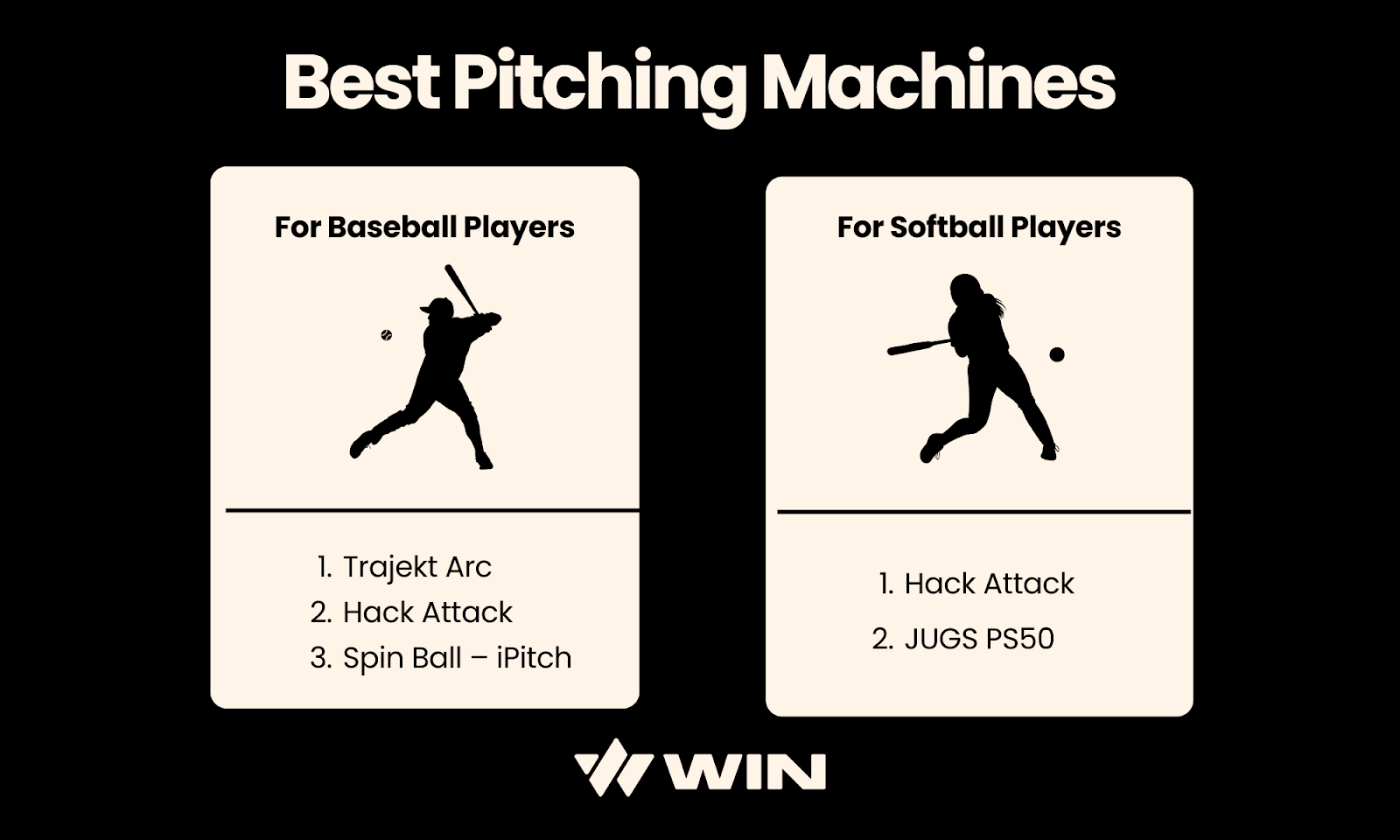
Hack Attack: The Ultimate Versatile Pitching Machine
The Hack Attack is one of the most versatile and reliable pitching machines, making it a top choice for baseball and softball players of all levels. Its three-wheel design simulates a variety of pitches—fastballs, sliders, and curveballs—with precision control over speed and location. Built for heavy use, this professional-grade machine ensures consistent performance and excels in training other aspects of the game, such as fielding and catcher-specific skills. Durable and multifunctional, the Hack Attack is a valuable investment for serious athletes and coaches.
Spin Ball – iPitch Smart Pitching Machine
The iPitch Spin Ball delivers outstanding value for players seeking realistic pitcher simulation at an affordable price. With 3-6 second pitch adjustments, customizable spin rates, and random or pre-set sequences, it offers a true game-like training experience. Lightweight and portable, it’s ideal for both field and batting cage use, while the automatic ball feeder ensures efficient solo practice.
JUGS PS50
The JUGS PS50 is perfect for amateur players and shorter batting cages, offering a top speed of 50 mph to help young athletes improve timing, bat path, and swing mechanics. Its lightweight, user-friendly design makes it ideal for families and teams on the go. Despite its affordability, the PS50 delivers reliable performance, making it a top choice for softball training. When selecting a machine, consider factors like skill level, backyard cage compatibility, and whether you’re training for baseball or softball.
Other Equipment To Consider
When setting up your batting cage, investing in additional equipment can enhance your training sessions and ensure safety. A batting tee is essential for practicing swing mechanics and improving contact consistency. A durable mat or home plate helps replicate a game-like feel and protects the surface beneath the cage. An L-screen is crucial for shielding coaches or players during live pitching or soft toss drills, reducing the risk of injury. Don’t forget to stock up on high-quality practice balls, as they are essential for maximizing your time in the cage. These tools work together to create a comprehensive training environment, whether you’re a beginner honing fundamentals or a seasoned player refining advanced skills.
Introducing the Better, More Affordable Alternative: WIN Reality
When it comes to enhancing your skills at the plate, few tools compare to the innovative technology offered by WIN Reality. This VR baseball training platform delivers a cutting-edge solution for players seeking game-like conditions without the need for bulky backyard batting cages. Unlike traditional setups, WIN Reality offers the ability to practice in a completely immersive environment, replicating game-speed velocities and providing endless variations of pitches.
What makes WIN Reality stand out is its focus on precision and adaptability. By mimicking the timing, movement, and difficulty of real-game scenarios, this platform sharpens your pitch recognition, timing, and swing mechanics like never before. The training experience goes beyond simply hitting—it enables players to track fastballs, adjust to breaking balls, and prepare for the exact situations they’ll face during games.
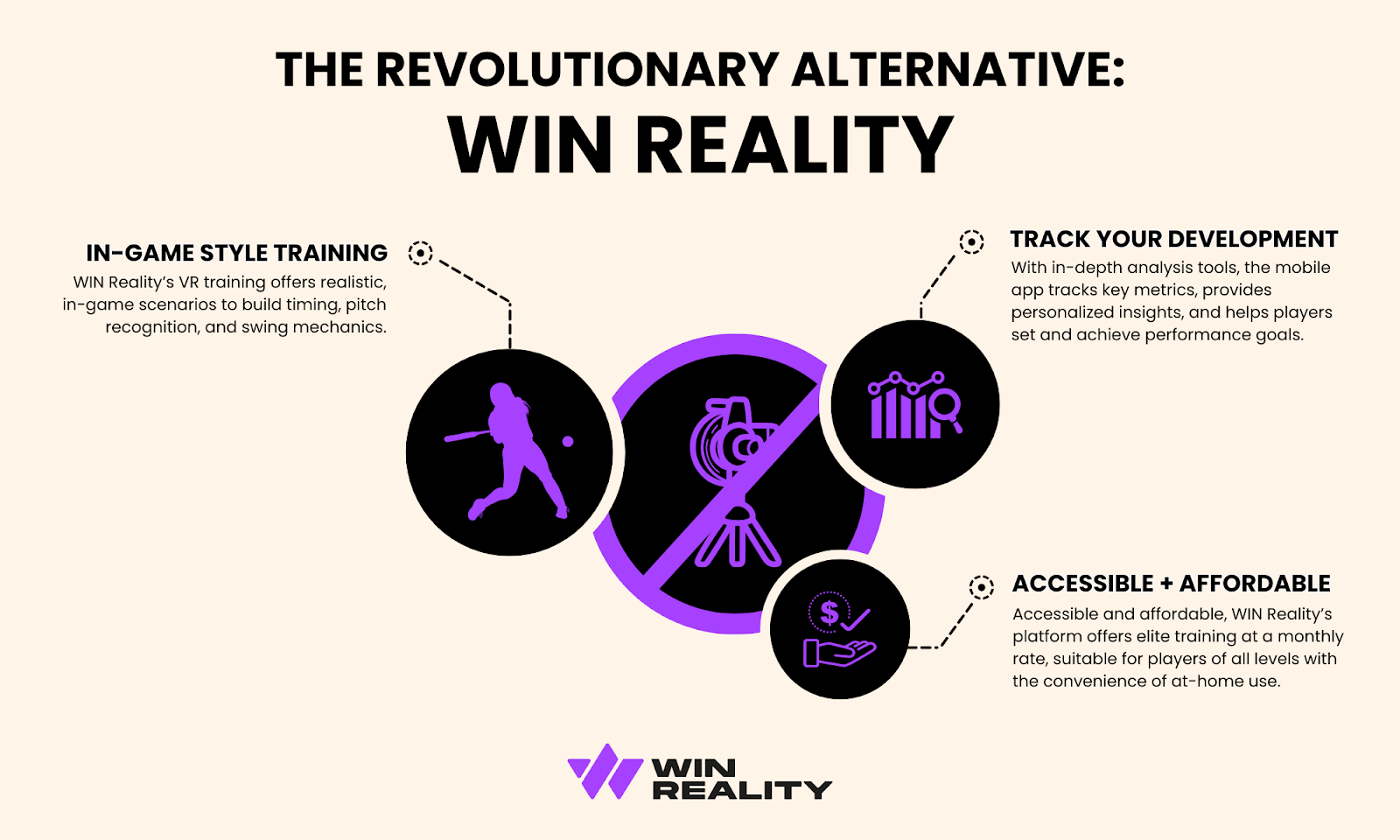
One of the platform’s biggest advantages is its cost-effectiveness. Setting up and maintaining a backyard batting cage can be expensive, not to mention space-consuming. WIN Reality eliminates the need for physical equipment while delivering equally—if not more—effective training. For players with limited outdoor space or those who want to practice regardless of weather conditions, this VR system is an ideal alternative.
Another perk? WIN Reality is perfect for players of all ages and skill levels. Whether you’re a youth player refining your fundamentals, a high school athlete preparing for college scouts, or a seasoned player looking to maintain your edge, WIN Reality tailors the training to your needs. With access to real-time feedback and data-driven insights, this platform equips you with the tools to grow your confidence and elevate your game.
Leap into the future of baseball training with WIN Reality. Explore our bundles and pricing options to see how you can transform your skills and dominate the 2025 season—all without ever leaving your home plate!
GET STARTED WITH WIN REALITY