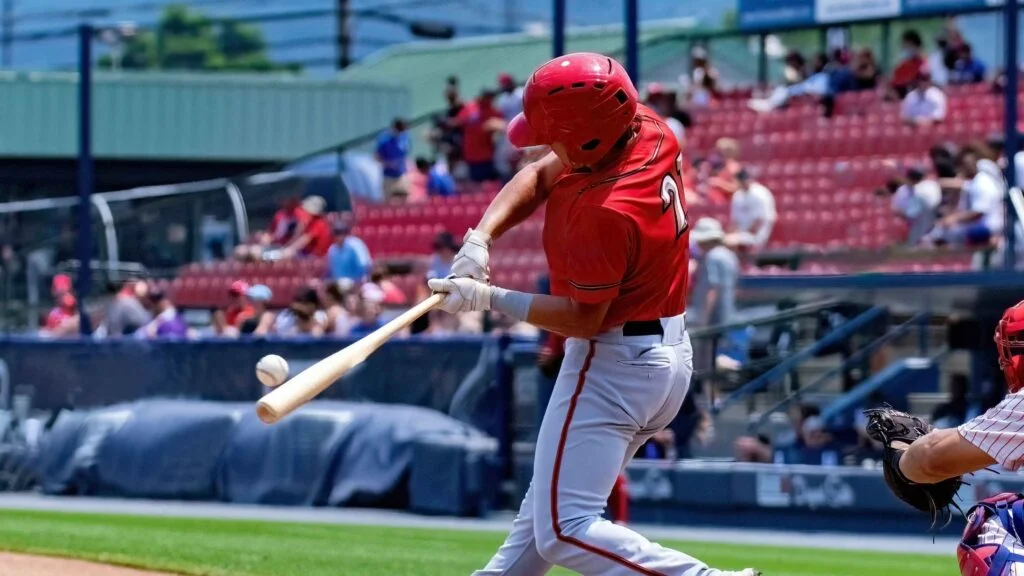
A great swing starts with how you hold the bat. While many people overlook it, your grip on the bat plays a vital role in creating bat speed, the shape of your bat path, your ability to adjust, and ultimately your success at the plate. So, is there a “right way” to grip a bat?
The Short Answer: There isn’t a universal “right” grip that works for every baseball player. But there are best practices and techniques that can help you optimize bat control, maximize power, and create a repeatable swing.
Does Your Bat Grip Matter?
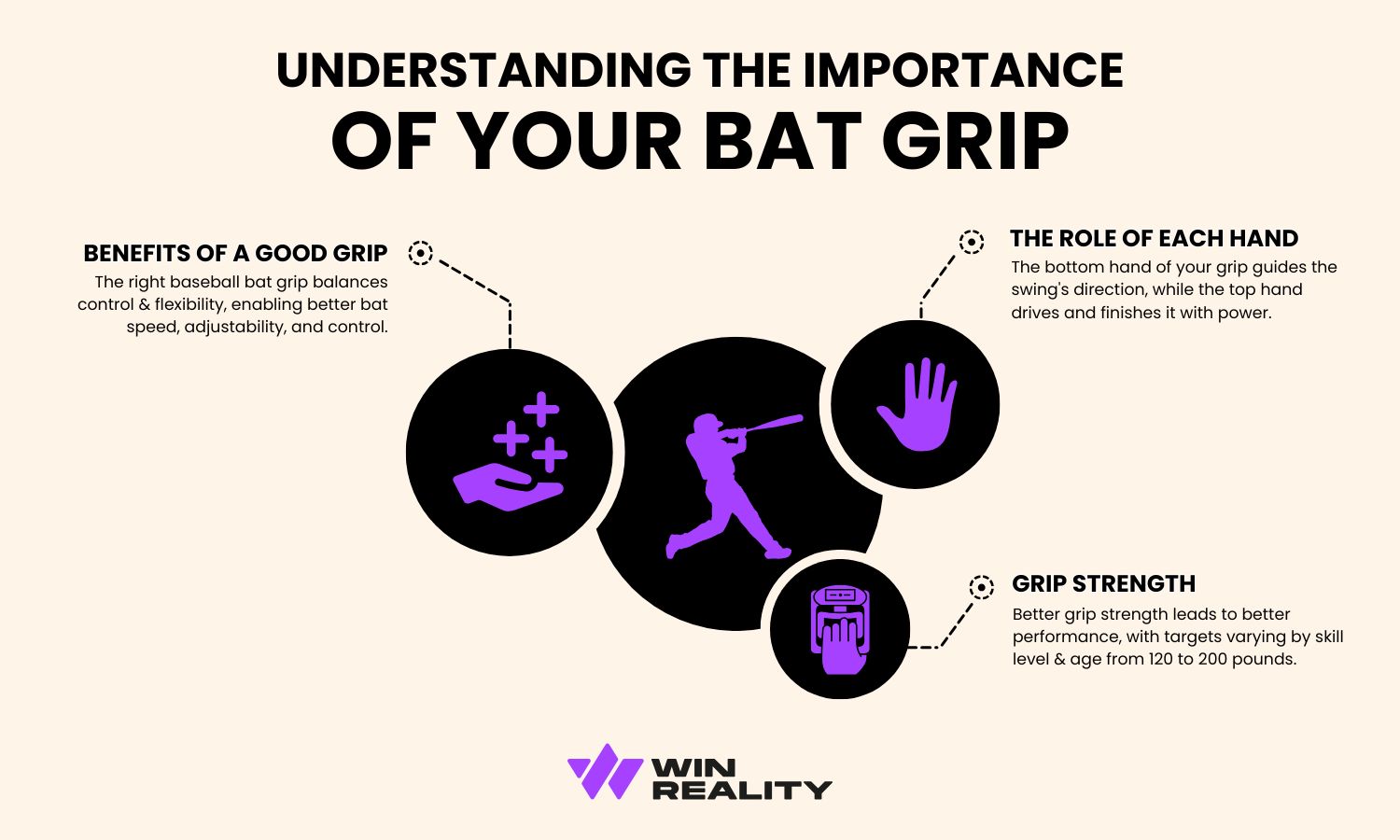
Gripping the bat may seem simple, but it’s fundamental for creating a good bat path, staying in control of the barrel, being adjustable, and ultimately creating bat speed. A good bat grip creates control without restricting movement. A tight grip can slow down a hitter’s bat speed and restrict movement, while a relaxed or loose grip will allow for a smoother, whippy swing. The grip should feel natural—firm yet comfortable.
The Role of Each Hand
Each hand also has a specific role that impacts your swing. The bottom hand sets the direction of the swing to start. Then the top hand on the bat comes into play and is the driver of the swing. This is what gets you to and allows you to stay through the ball. Finally, we want to feel like our top hand almost throws the bat into our bottom hand to finish the swing.
The Importance of Grip Strength
Grip strength also plays a key role in this equation as well. You can measure this with a hand dynamometer. Varsity high school hitters should aim to record a grip strength above 120 pounds, college hitters should be over 130 pounds, and professionals generally range from 150 pounds with some recording 200 pounds.
GET STARTED WITH WIN REALITYDifferent Ways to Grip a Baseball Bat
Just like swings, grips can vary among players, and finding the one that best complements your anatomy, mechanics, and feel is essential. Here are some popular grip techniques:
Door Knocking Knuckles Aligned
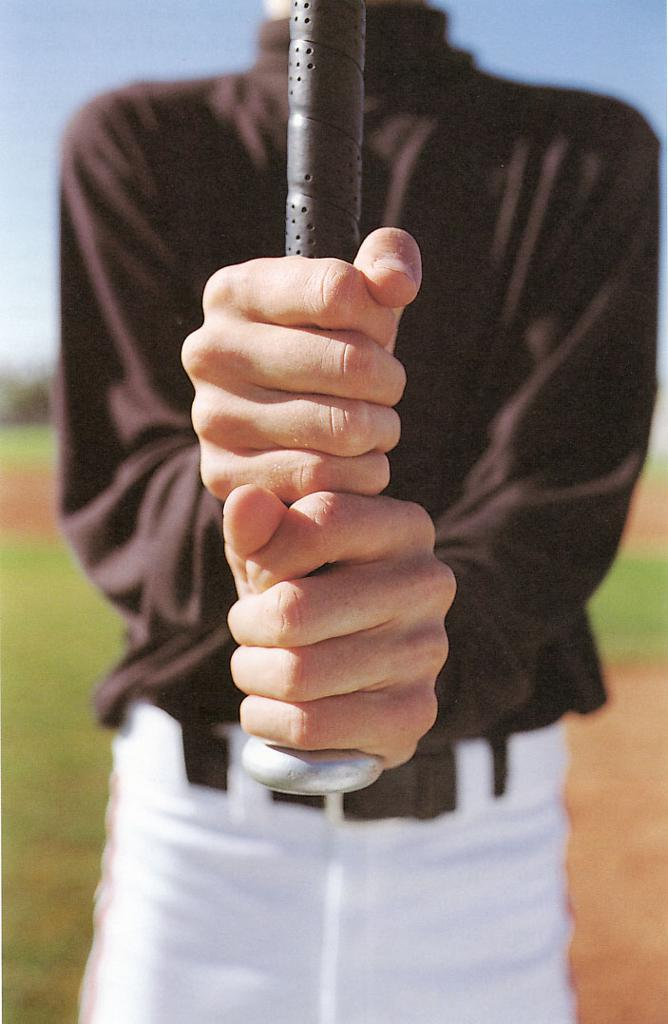
The door-knocking knuckles aligned method is the classic “proper grip” that just about everyone is taught at some point in their career. This grip is created by lining up the door-knocking knuckles on the bat forcing the bat more into the fingers.
Box Grip
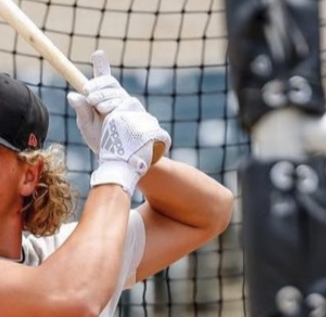
The box grip is very popular and is found naturally by a lot of hitters. To do the box grip, you line up the door door-knocking knuckles on your top hand in a straight line with the lower knuckles on your bottom hand.
Index Fingers Off

Taking your index fingers off of the bat will loosen up the grip and help open up more mobility in the wrist. To create this grip, have the bottom hand index finger pointed to the umpire and the top hand index finger pointed at the dugout.
Open Top Hand Grip
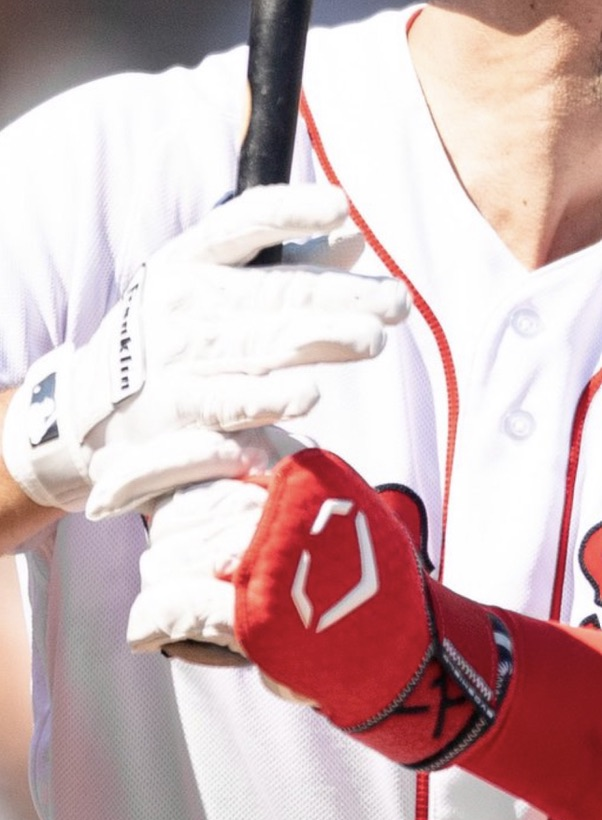
Taking the top hand out of the equation can help hitters who activate it too early in the swing and push down. Keeping it open and then activating the middle and ring fingers in the top hand can help sequence the effort from the hands in the swing.
Bottom Hand Pinky Off
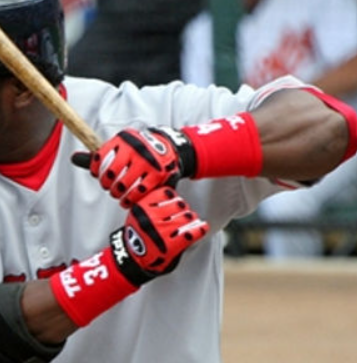
Having the hitter’s bottom-hand pinky hang off the end of the bat can help a hitter turn the barrel deep in the zone and create more whip. This is great for bottom-hand dominant hitters.
Interlock Grip
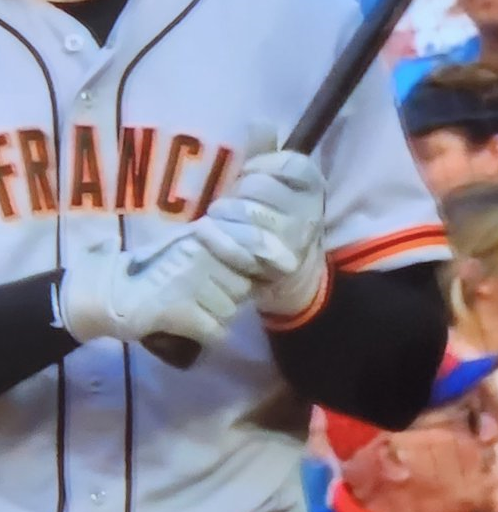
This grip is becoming more popular in professional baseball and involves interlocking the pinky from your top hand and the index finger from your bottom hand. This can help a hitter get out of their hands and swing from the center of their body.
Split Grip
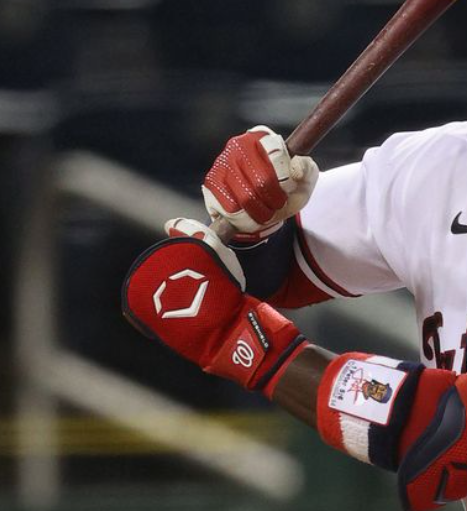
A great way to create bat control is by splitting your grip. You can do this by separating your hands on the bat just an inch or two, but you can go even more if you are comfortable. This can be a great adjustment with two strikes to create more bat control, or if the hitter pulls too much with their bottom hand as it forces the hitter to turn the bat deep in the zone.
Choking Up
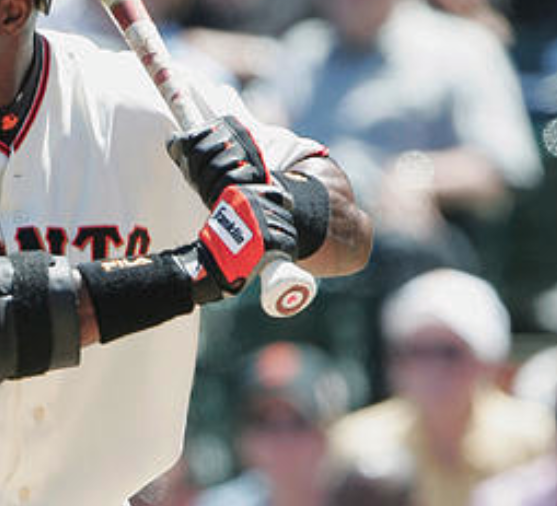
Choking up on the bat is a great adjustment that you see a lot of hitters do with two strikes to gain more barrel control. This can also be done in any count if the hitter wants to get more feel for their barrel and shorten up.
Using a Pro Hitter
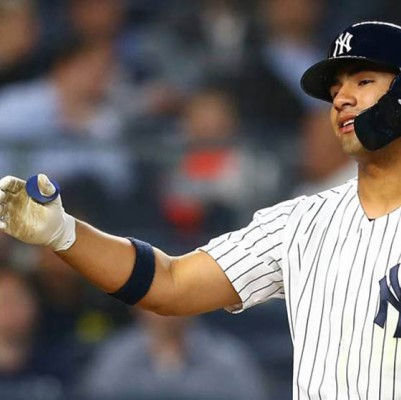
By putting a Pro Hitter on your thumb you can aid your grip by forcing the bat into your fingers more to create more leverage with the grip. This will allow a hitter to have a better feel for their barrel and create more control. A large percentage of big league hitters use it for this reason.
Tips for Finding Your Ideal Grip
The right bat grip takes lots of experimentation and intentional work every time you set up. Making it part of your routine to be intentional with your grip can make a noticeable difference in your swing mechanics and bat path. There is no such thing as the perfect grip, but there are lots of factors that go into what will work for each hitter-such as palm size, finger length, and mobility. One of the easiest ways to find your ideal grip is to go to a contact position and adjust your grip till you get into a palm up/palm down position as seen below.
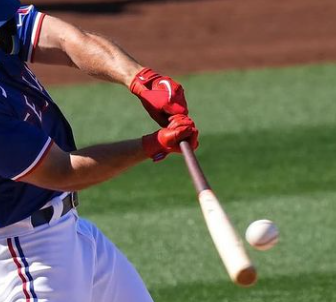
From there, reverse your hands back to your stance. This would be the best way to make sure you are gripping the bat in a way that allows you to be palm up/palm down in your swing.
Another key checkpoint for a good grip would be to set up in a launch position and make sure that your grip allows your top hand palm to face the pitcher. This will allow your bat to easily turn into the zone and begin to create a good path that gets you to a palm up/palm down contact position.
If you are still struggling to figure out the role of your hands in the swing, a great tool you can use is the Thick Grip Trainer Bat. This trains hitters to get out of the little muscles in their hands and soften their grip while still creating bat speed and driving the ball. Hitters will train to swing from the center of their body and use their hands to control the bat instead of powering the swing with them. This will allow hitters to create good direction and bat path. The Thick Grip Trainer is also a great tool for hitters who struggle with rolling over.
How WIN Reality Can Help
The path to perfecting your grip—and your entire swing—takes practice, and WIN Reality is designed to make that practice as effective as possible. WIN Reality offers a cutting-edge VR platform where players can see pitches and take swings in a virtual reality environment, simulating real-game scenarios. This immersive experience helps expedite their development in timing, and pitch recognition and allows you to train against game-speed pitching anytime. Paired with the SwingConnect mobile app, you can review stats, track your progress, and set targeted goals for boosting your exit velocity. With this suite of tools, you’ll be empowered to take your performance to the next level.
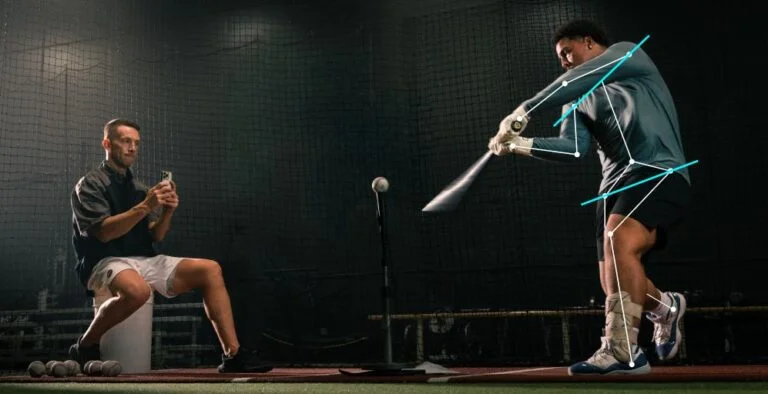
Our revolutionary SwingAI Trainer tool in the mobile app provides in-depth feedback on your swing mechanics using video taken anywhere, including in your living room. These reports are a great tool that can help you test out the effectiveness of your grip. With these reports, hitters can go through a trial and error process to find a grip that helps you move better and is right for you. The reports use a simple “in-range” or “out-of-range” format to ensure you’re moving as efficiently as possible. Hitters receive personalized recommendations on what to work on along with drills designed to improve specific aspects of their swing. Over time, hitters can track their progress and receive feedback if key components of their swing start to fall out of range, helping prevent slumps before they happen.
Ready to improve your hitting and see real results? Check out WIN Reality’s pricing options to begin your journey to support your players’ development, build their confidence, and watch them thrive at the plate.
GET STARTED WITH WIN REALITY