You made the team, the schedule just dropped, and now you are staring at four months of practices, games, and tournaments with no real plan to get better across all of it. That stops here.
This is a player-first season roadmap for you: a phase-by-phase template that tells you exactly what to train before tryouts, during preseason, through the regular grind, and heading into playoffs, with WIN Reality as the tech layer that tracks your swing and stacks low-impact, game-speed reps even on heavy game weeks. Most youth baseball season planning guides are built for coaches and administrators. This one is built for the hitter.
Before tryouts, sharpen catch play, clean up throwing accuracy, and show effort and coachability, because evaluators grade attitude as fast as they grade your 60-yard time.
In preseason, lock a weekly rhythm of hitting, defense, arm care, and pitch recognition 4 to 6 weeks before games start so your routine is automatic by Game 1.
During the regular season, shift from building to maintaining: protect your reps, read your workload, and respond to slumps with better decisions instead of 200 panic swings.
Heading into playoffs, cut volume and raise focus, leaning on pitch-recognition and two-strike reps instead of grinding your body down.
The thread through every phase is simple: train swing decisions, bat-to-ball, and bat speed on a schedule, and measure progress with something better than batting average.
Want the deeper structure behind this? Pair this guide with WIN Reality’s year-round youth baseball development plan for the 12-month view.
The Youth Baseball Season Planning Guide: Phase by Phase
Think of your season in four phases: Tryout, Preseason, Regular Season, and Playoffs. Each one demands a different mix of reps, intensity, and recovery. The mistake most 9U to 14U players make is training the same way in June that they did in February, then wondering why they are flat by playoffs.
Your job is to match the work to the window. Below is the template you can run no matter how organized (or scattered) your team practices are.
A. Tryout Phase: Show Coachability, Athleticism, and Game Readiness
Here is the real situation: a travel coach has 90 minutes and 40 kids, and he is grading you in the first 10 minutes. He is watching your catch play before he ever sees you hit.
So your tryout prep is not about peaking physically. It is about showing clean, repeatable fundamentals and an attitude coaches want in a dugout.
Hit these priorities in the 2 to 3 weeks before tryouts:
- Catch play sharpness: 15 to 20 minutes daily of accurate, four-seam throws to the chest. Clean catch play is the single most-watched tryout skill.
- Throwing accuracy over velocity: Hit the target 8 out of 10 times from your position’s standard distance before you worry about adding arm strength.
- Swing decisions: Evaluators notice the hitter who takes close pitches and attacks strikes. Train your eyes to spot balls out of the hand, not just your mechanics.
- Effort and body language: Sprint on and off the field, run everything out, and respond to coaching the first time.
Keep your swing simple at tryouts. This is not the week to overhaul your Load Phase or chase a new finish. A hitter thinking about mechanics in the box freezes, and a frozen swing at tryouts gets you cut.
Takeaway: In your last 72 hours before tryouts, cut mechanical reps and train recognition and timing so you show up loose, decisive, and confident.
B. Preseason Phase: Build Your Routine Before Games Start
You have 4 to 6 weeks before the schedule turns into a two-game-a-week sprint. This is your build window, and it is the most underused phase in youth baseball. Once games start, you are maintaining, not building.
Set a weekly rhythm you can actually hold. Here is a workable 5-day template for a youth player:
- Hitting (3 days/week): Tee and front-toss work targeting one mechanical focus at a time, plus game-speed decision reps.
- Defense (2 days/week): Footwork, transfers, and 40 to 50 game-tempo reps at your primary position.
- Arm care (daily): Band work and progressive throwing, following age-based volume so you ramp arm strength without overuse.
- Pitch recognition (2 to 3 days/week): This is where you separate. Train your eyes to identify pitch type and location out of the hand before contact ever matters.
- Recovery (1 to 2 full days/week): Growing athletes need rest days built in, not stolen.
Preseason is also goal-setting season. Pick 2 to 3 measurable targets, like raising your hard-contact rate or cutting chase swings on pitches below the zone.
Build mechanics now with the right drills. If your bat speed lags because of weak hip-shoulder separation, run the Torque Drill and the Knob to Knee Drill. If you tend to drift or hang back, the Walk Through Drill cleans up your forward move.
Takeaway: Lock your weekly routine before Game 1 so it runs on autopilot when the season gets loud. Build mechanics now; you will not have time once games stack up.
C. Regular Season to Playoffs: Maintain Skills Without Overtraining
Now the calendar fights you. You have school, two or three games a week, tournament weekends, and the occasional rainout that blows up your plan. The instinct is to add cage sessions when you are struggling. That is usually the wrong move.
During game-heavy weeks, your arm and body are already under load. Pitchers at ages 9 to 10 carry a daily max of 75 pitches, 11 to 12 sit at 85, and 13 to 14 at 95 under MLB and USA Baseball Pitch Smart daily limits. Those caps exist because overuse has been shown to increase youth pitching injuries more than anything else, with injured pitchers throwing more pitches per game, more innings per year, and more months out of the year. The same logic applies to your swing volume: more low-quality reps on a tired body is how you grind into a slump, not out of one.
Handle a midseason slump like a hitter, not a panicker:
- Diagnose the cause first. Most youth slumps come from timing, getting caught between pitches, thinking mechanics in the game, or fear, not from your swing suddenly breaking.
- Fix timing with timing work. If you are late, “slow and early” and rhythm reps beat tearing apart your mechanics.
- Protect your reps. Trade 100 tired cage swings for 20 focused decision reps.
- Rebuild confidence. Belief and conviction at the plate matter as much as technique. A hitter who trusts his swing produces; one who second-guesses it freezes.
As playoffs arrive, taper. Cut swing volume 20 to 30 percent and raise focus on two-strike approach and pitch recognition. That matters because league average collapses to .165 with two strikes, and cutting your swing-and-miss can be worth 15 to 20 more hits across a season.
Takeaway: In-season, you maintain and adjust. Save your highest-focus, lowest-impact reps for the weeks that matter most.
Ready to build a season plan you can actually follow?
Tools and Methods: Three Ways to Track and Adjust Your Season Plan
Batting average lies to young hitters. You can square up five balls and go 0-for-4, or dink three and go 3-for-4. If you measure your season by results alone, you will chase the wrong fixes all year.
Track inputs instead. Here are three methods you can run from Week 1 through playoffs.
Method 1: Weekly Player Check-In
Every Sunday, spend 5 minutes scoring your week on a simple 1-to-5 scale:
- Energy: Are you fresh or dragging into games?
- Confidence: Do you trust your swing in the box?
- Practice focus: Did your reps have a clear purpose?
- Recent at-bats: Quality of contact and decisions, not just hits.
- Next-week goal: One specific target.
When energy drops to a 2 for two straight weeks, that is your signal to add a recovery day, not another cage session.
Takeaway: A 5-minute weekly check-in catches fatigue and confidence dips before they become month-long slumps.
Method 2: Hitter Development Scorecard
Build a scorecard around the Three Pillars of Good Hitting: Bat Speed, Bat-to-Ball, and Swing Decisions. After each game or cage session, log:
- Swing decisions: Chase rate on pitches out of the zone.
- Contact quality: Hard-hit reps vs. weak contact.
- Approach: Did you have a plan each at-bat?
- Plate discipline: Swings at strikes vs. balls.
- Timing: On time, early, or late.
- Quality reps: Count only the reps with intent.
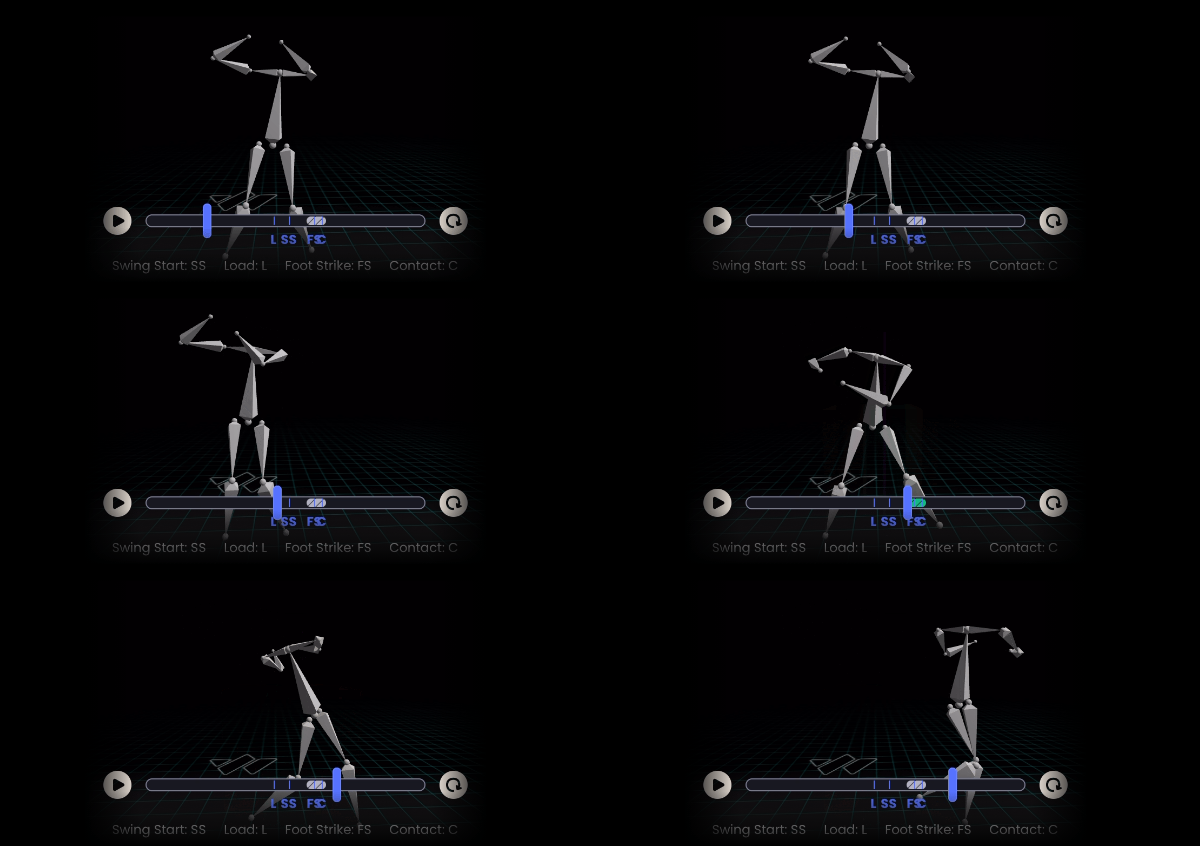
This is also where SwingAI earns its spot. Upload a swing video and it analyzes your mechanics across key biomechanical dimensions, including hip-shoulder separation and contact position, then hands you personalized cues and a plan built around your actual swing flaws.
Takeaway: When you track pillars instead of hits, you fix causes, not symptoms.
Method 3: Workload-Aware Practice Plan
Your rep count should move with your game load. A two-game week with a tournament needs less supplemental swinging than a rained-out week with zero games.
Scale your week like this:
- Heavy week (3+ games or a tournament): Drop extra cage and throwing volume. Lean on low-impact pitch-recognition reps.
- Normal week (2 games): Hold your standard preseason routine.
- Light or rained-out week (0 to 1 games): Add a mechanical cage session and extra defense reps.
Watch school schedule and fatigue too. Sleep and recovery drive growth-age development as much as reps do.
Takeaway: Match your training volume to your game volume every week so you peak for playoffs instead of limping into them. For more on this, see WIN’s guide on how much youth players should practice.
How WIN Reality Helps
Here is the problem the template keeps running into: on a heavy game week, you cannot safely add 150 cage swings or another throwing session. But you can still train your eyes and your decisions. That is exactly where WIN Reality fits across all four phases.
TrainVR puts game-speed at-bats in your living room on a Meta Quest headset:
- 600+ virtual pitchers for live, game-speed reps with zero arm load.
- Pitch Recognition, Release Point, and Recognition Window drills to train your eyes out of the hand.
- Scenario workouts for 2-strike approach, 0-2 counts, 3-2 counts, and breaking-ball recognition, perfect for playoff prep.
- Multi-week Training Tracks that match the phased plan above.
SwingAI is your development scorecard:
- Upload a swing, get instant biomechanical analysis across key swing dimensions.
- Unlimited analyses and progress tracking so you can prove improvement from preseason to playoffs.
- Personalized cues matched to your actual swing flaws.
Want both working together? The Ultimate Hitter Pack bundles TrainVR, SwingAI, and the WIN bat attachment into one complete development system.
Map the tools to your phases: pitch recognition for tryout readiness, SwingAI-driven mechanics in preseason, low-impact VR reps for in-season maintenance, and two-strike scenarios for playoff confidence. For arm-safety context across the year, the MLB Pitch Smart guidelines are worth a read with your parents.
Takeaway: WIN Reality lets you keep developing on the weeks your body needs a break from swinging and throwing.
Build a Smarter Season, One Phase at a Time
You now have the full template: prep for tryouts, build in preseason, maintain through the grind, and taper into playoffs, with measurable checkpoints at every step. The hitters who improve all season are not the ones who train hardest in July. They are the ones who train right in every phase and track the inputs that actually move results. Start stacking game-speed, low-impact reps today and walk into playoffs as the most prepared hitter on the field.