Baseball, Featured, Softball
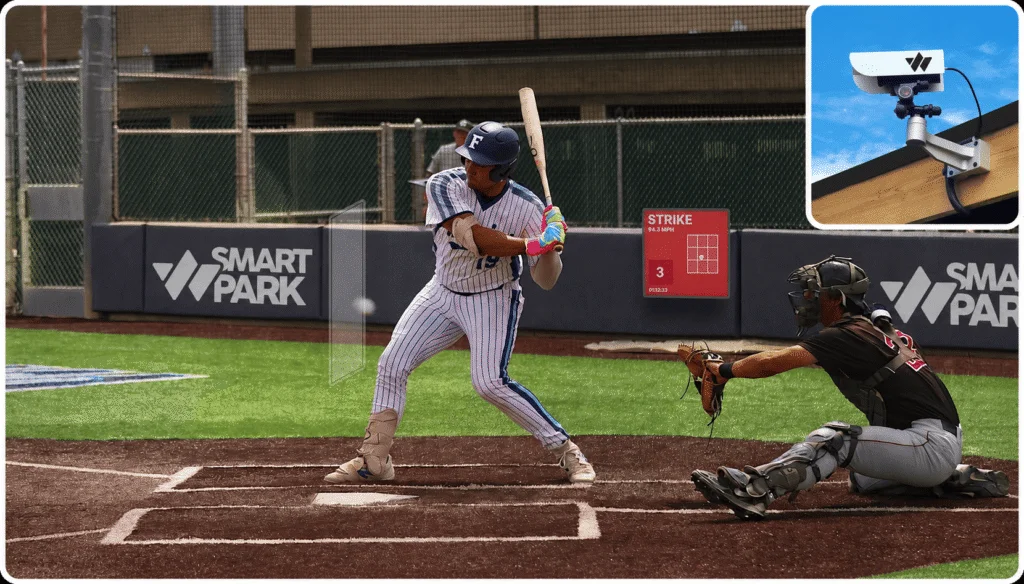
How the ABS Challenge System Works, and How It Runs at Every SmartPark
- by
You have seen the 3-2 pitch that catches the corner to decide the game, and you have heard the dugout erupt when the call goes the wrong way. The ABS challenge system settles that argument with a measurement, not an opinion, and it now runs at every WIN Reality SmartPark. It tracks each pitch to under 6 millimeters and puts the answer on the LED board in seconds. The Short Answer A hitter, catcher, or pitcher signals a challenge on

Baseball, Featured, Training
Show Up to First Pitch Already Locked In With A Baseball Pregame Routine
“Slow starts aren’t a mindset problem. They’re a preparation problem.” When a hitter starts slow, everybody reaches for the same word: nerves. That’s not what I see. He’s mentally unprepared and he’s visually unprepared. His eyes haven’t seen a pitch yet. His timing hasn’t been tested. By the time he’s dialed in, he’s already given away two at-bats. The best hitters I’ve been around don’t leave that to chance. They treat their eyes the way a pitcher treats his arm: they warm them up before they need them. By the time the game starts, they’re not hunting for their timing.

Baseball, Training
Baseball Drills for 5-6 Year Olds
Introducing baseball to 5-6 year olds is about building a foundation of skills while keeping the experience fun. At this stage, it’s less about competition and more about creating a love for the game. The right drills develop hand-eye coordination, reaction time, and basic hitting mechanics, all while feeling like play. For more experienced hitters, see our guides for 7-8 year olds, 9-10 year olds, and 11-12 year olds. Check out WIN Reality’s age-by-age curriculum for a complete development path. Our favorite baseball drills for 5-6 year olds include: Key Skills for 5-6 Year Olds In this age group, players

Baseball, Training
Baseball Drills for 7-8 Year Olds
One of the most critical stages in a hitter’s development happens at 7-8 years old. At this age, players start building the athleticism, hand-eye coordination, and baseball instincts that carry them through every level of the game. Most kids in this range don’t need detailed mechanical coaching, they need consistent reps, the right environments, and the freedom to problem-solve and self-correct on their own. This guide covers our top hitting, fielding, and throwing baseball drills for 7-8 year olds, plus a ready-to-use practice plan coaches and parents can run today. Our favorite drills for 7-8 year olds are: Hitting Skills

Announcement, Featured, Training
WIN Reality and Perfect Game Announce Strategic Player Development Partnership
Training, Softball
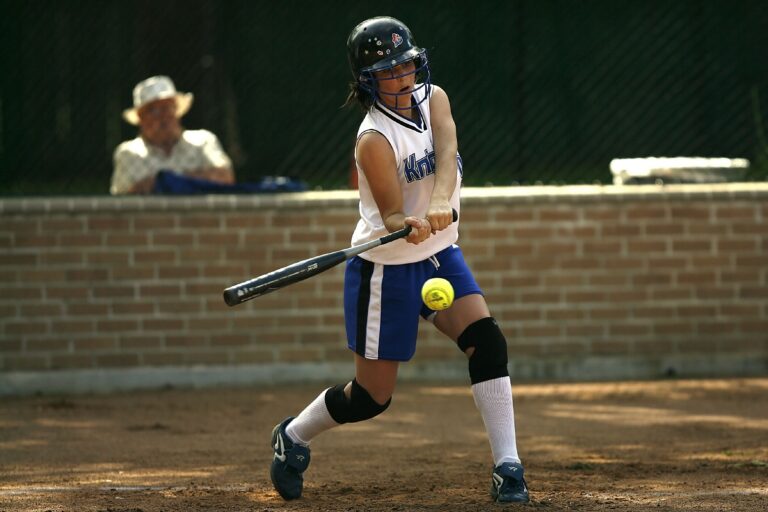
Youth Softball Hitting Mechanics: The Complete Player’s Guide
Why Youth Softball Hitting Mechanics Matter You crush it off the tee. Soft toss? No problem. Then a live pitcher steps in, and everything falls apart. This is the most common problem in youth softball hitting, and it has nothing to do with effort. It has everything to do with mechanics that haven’t been built to hold up at game speed. This guide is written directly to you, the player. Not your coach. Not your parents. You. Every section gives you a checkpoint you can feel, a flaw you can name, and a fix you can train. Whether you’re 10U

Baseball, Training
Baseball Drills for 9-10 Year Olds
At 9-10 years old, the game changes. Players face pitchers their own age for the first time with kids who are actively trying to get them out. Unlike easy coach-pitch tosses, these pitches vary in location, speed, and intention. This is when hitters must develop real timing, smart swing decisions, and the ability to compete under pressure. For younger hitters, see our 7-8 year old drills. For older players, check out 11-12 year old drills. Visit WIN Reality’s age-by-age curriculum for the full development path. Our favorite drills for 9-10 year olds are: Key Hitting Skills for 9-10 Year Olds
Baseball, Recruiting
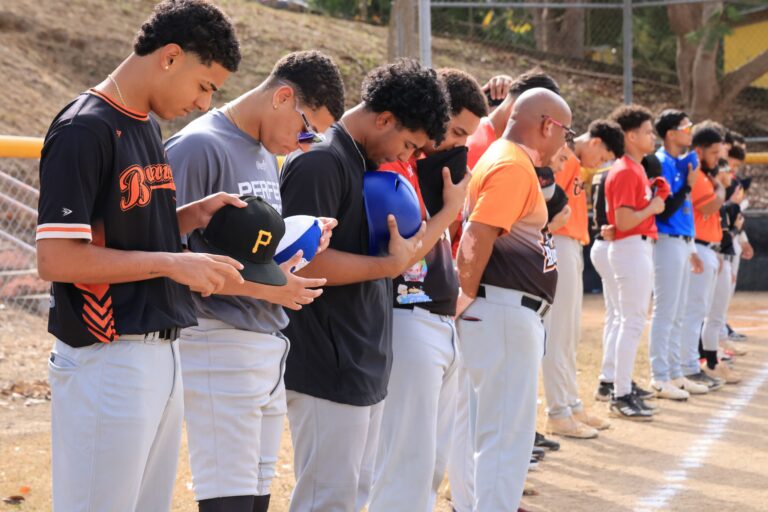
Baseball Showcase Prep: The Complete 30-Day Plan
Why Showcase Prep Needs a 30-Day Plan Most players show up to a showcase having “trained hard” for weeks. They have no idea what their exit velocity is. They have not tested their swing under pressure. They have no plan for their BP round. That gap between effort and readiness is exactly where recruiting opportunities get left on the field. A 30-day plan fixes that by turning vague preparation into a measurable progression. You will know your baseline numbers on Day 1, build toward specific targets across three weeks, and taper into showcase day ready to perform, not just show
Baseball, Training
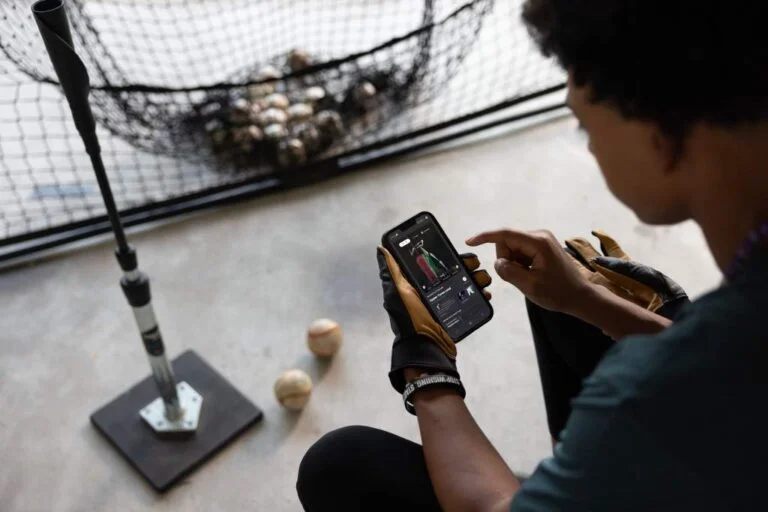
Best Baseball Training Apps 2026: Ranked by Training Value
You are ready to put in the work. You have a bat, a cage, and a phone. The question is which baseball training app actually helps you get better, and which one just gives you data you do not know what to do with. This guide is built for hitters, parents, high school players, private instructors, and team coaches who want one clear answer for each training goal. The best app depends on what you are trying to train, what hardware you are willing to buy, and whether the feedback tells you what to do next. We ranked every major

Baseball, Featured, Training
Baseball Drills for 11-12 Year Olds
At 11-12 years old, hitters face a major shift: curveballs. For the first time, pitchers throw pitches that change speed and break vertically and horizontally. This is a significant jump from the generally straight fastballs and occasional changeups they’ve faced before. Learning to recognize, commit to, and drive breaking balls requires new adjustments in both mindset and swing mechanics. This is also when the game gets competitive. Travel ball tournaments, regional events, and the transition to full-diamond baseball make this a pivotal development window. For younger players, see our guides for 9-10 year olds and 7-8 year olds. Check out