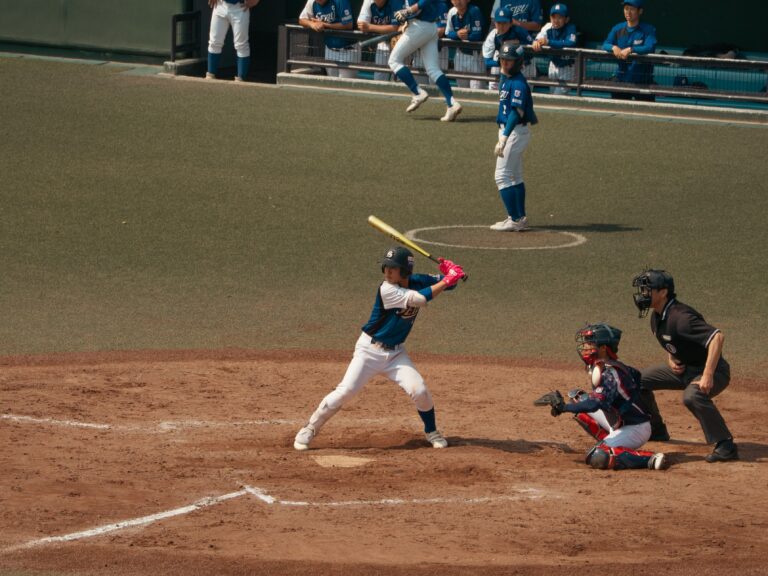
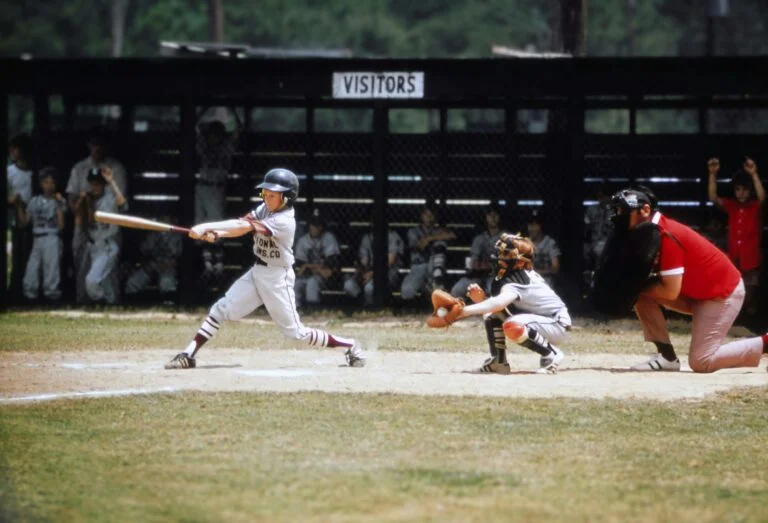
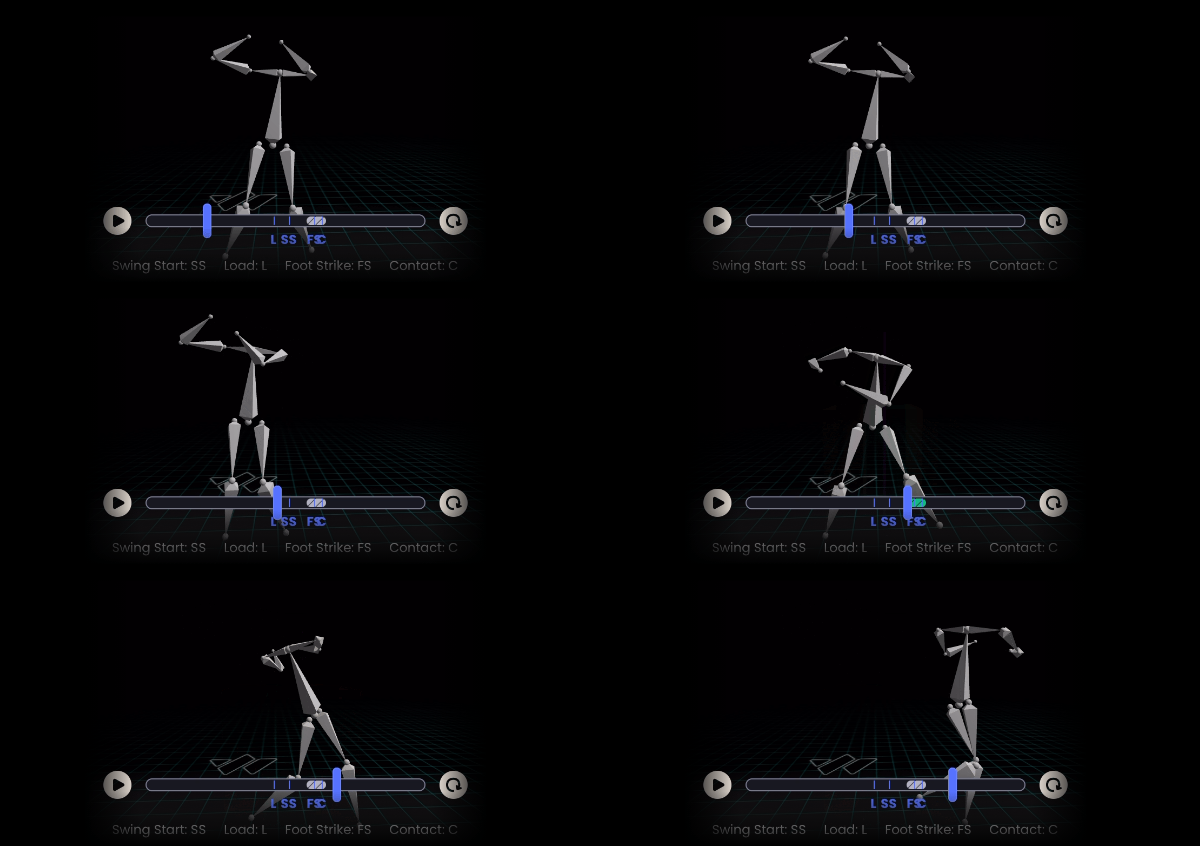
At 9-10 years old, the game changes. Players face pitchers their own age for the first time with kids who are actively trying to get them out. Unlike easy coach-pitch tosses, these pitches vary in location, speed, and intention. This is when hitters must develop real timing, smart swing decisions, and the ability to compete under pressure.
For younger hitters, see our 7-8 year old drills. For older players, check out 11-12 year old drills. Visit WIN Reality’s age-by-age curriculum for the full development path.
Our favorite drills for 9-10 year olds are:
- Early Hover Drill
- Foot Strike Drill
- Top of the Zone Fastballs Drill
- High/Low Drill
- Wild Pitcher Drill
- Simulated At Bats
Key Hitting Skills for 9-10 Year Olds
At this age, loading properly, getting to a launch position on time, and making smart swing decisions are the priorities.
How To Load Up
With peer pitchers actively trying to get hitters out, maintaining control during the load is critical. A good load means hinging at the hips, shifting weight into the back leg, and coiling into the back hip. This creates power and the adjustability needed for changing speeds, especially as changeups start appearing.
Getting To a Launch Position on Time
Most swing breakdowns at this age happen because the hitter is late getting into position. When a hitter is late, they over-compensate and the entire swing falls apart. Getting to a launch position on time lets them see the ball well, make good decisions, and deliver their best swing.
Removing Unhittable Pitches From Swing Decisions
When hitters chase pitches well outside the zone, they disrupt their mechanics. Now that kids, who often lack command, are pitching, hitters see fewer easy pitches and more uncompetitive ones. Stay aggressive on strikes, but build discipline to lay off balls.
What To Look For
- Soft landing on the lead foot with the knob of the bat pointed at the catcher
- Staying in a hip hinge with chest down over the plate
- Consistent quality swings (trying to hit line drives, not just make contact)
- Maintaining aggressiveness and staying ready to hit, even against wild pitchers
What Not To Be Concerned By
- Taking quality swings but being early
- Over-aggressiveness as long as there’s intent behind the swing and pitches are hittable
- Not hitting for power if they’re squaring the ball up
- The barrel dropping at contact due to strength
The Best Hitting Drills for 9-10 Year Olds
Early Hover Drill
For hitters who struggle with being on time. Emphasizes gaining control with the back hip during the forward move while maintaining good posture and staying behind the ball.
Foot Strike Drill
Ideal for hitters struggling with loading and sequencing. Emphasizes firing from the center of the body first and maintaining posture over the plate for cleaner contact.
Top of the Zone Fastballs Drill
Improves the ability to hit high pitches and faster speeds. Develops quicker, tighter entry into the zone, essential for catching up to 45-55 mph fastballs at this level.
High/Low Drill
Teaches adjusting to pitch sequences that change planes (up-to-down, down-to-up). Builds the ability to maintain a good hinge and use tilt to get on plane. A great precursor to handling changeups and curveballs.
Wild Pitcher Drill
Addresses the common problem of hitters becoming passive against wild pitchers. Trains maintaining aggressiveness and staying ready to hit regardless of ball count.
Simulated At Bats
Go full distance from the mound or short-box at half distance. Implement counts to train swing decisions and develop a simple approach. Use Incredi-balls if hitters fear getting hit. Limit to 5-7 high-focus at-bats per session.
Fielding Drills for 9-10 Year Olds
At this age, fielding becomes more position-specific. Here are drills every 9-10 year old should be running:
Ground Ball Progressions
- Start with slow rollers from 20 feet – focus on proper fielding position (butt down, glove out front, two hands)
- Increase speed to medium-pace grounders
- Add lateral movement – roll balls to the forehand and backhand side
- Finish with the full play: field, set feet, throw to first
Double Play Feeds (Infielders)
- Position a shortstop and second baseman at their positions
- Hit ground balls to each and practice the feed to the pivot man
- Focus on a quick, accurate underhand or sidearm feed
This drill introduces team-concept fielding that becomes critical in competitive play.
Fly Ball Communication
- Hit or throw fly balls between two outfielders
- The player who calls “I got it!” takes the ball; the other backs up
- Emphasize calling the ball early and loud
Communication prevents collisions and builds trust between teammates.
Pitch Recognition at 9-10
At this age, players start seeing changeups alongside fastballs. Understanding how to recognize different speeds makes the difference between getting fooled and driving the ball.
What 9-10 year olds face:
- Fastballs: 40-55 mph
- Changeups: 30-45 mph
- The difference between the two can be 10-15 mph, enough to completely disrupt timing
How to train recognition:
- Use front toss with alternating speeds (fast and slow) so hitters practice adjusting
- The High/Low Drill teaches plane adjustment, which is the foundation of off-speed hitting
- WIN Reality’s VR platform simulates different pitch speeds and types, giving hitters hundreds of recognition reps at home
Weekly Practice Plan for 9-10 Year Olds
| Day | Focus | Duration |
|---|---|---|
| Monday | Hitting: Tee work + Early Hover Drill + Soft Toss | 60 min |
| Tuesday | Fielding: Ground ball progressions + Fly ball communication | 60 min |
| Wednesday | Rest or light catch | — |
| Thursday | Hitting: Simulated At Bats + Wild Pitcher Drill | 60 min |
| Friday | Game day or combined hitting/fielding session | 75 min |
| Saturday | Game or tournament | — |
| Sunday | Rest | — |
Adjust based on your season schedule. The key: structured sessions with clear objectives, not just rolling out the balls.
Travel Ball Readiness
9-10 is when many players move into travel ball. Here’s what coaches evaluate at tryouts:
- Hitting: Can the player make consistent, hard contact? Do they have a plan at the plate?
- Fielding: Clean fundamentals. Do you catch routine ground balls and fly balls without errors?
- Arm strength: Can make the throw from shortstop to first with accuracy
- Baseball IQ: Knows where to throw the ball before it’s hit to them
- Competitiveness: Plays hard, stays engaged, handles failure well
Preparing for tryouts means getting reps in all these areas, not just batting practice.
Mental Game Basics
At 9-10, the mental side of hitting starts to matter. Two things to build early:
- Pre-at-bat routine: Before stepping in, the hitter takes a breath, reminds themselves of one simple thought (e.g., “see the ball, be on time”), and commits to being aggressive.
- Handling strikeouts: Teach hitters that strikeouts are part of the game. The best hitters in baseball strike out 20-25% of the time. Flush it and focus on the next at-bat.
How WIN Reality Can Help
The biggest development accelerator at 9-10 is pitch volume and seeing as many pitches as possible. WIN Reality’s VR platform delivers game-speed reps in a virtual batter’s box, letting hitters work on timing, pitch recognition, and swing decisions from home.
Players at this level can face 40-55 mph virtual pitches from realistic pitcher animations, building the pattern recognition that separates good hitters from great ones.
Use the SwingAI app to record and analyze swings, track metrics, and get personalized drill recommendations. Explore pricing options to get started.