Baseball, Featured, Softball
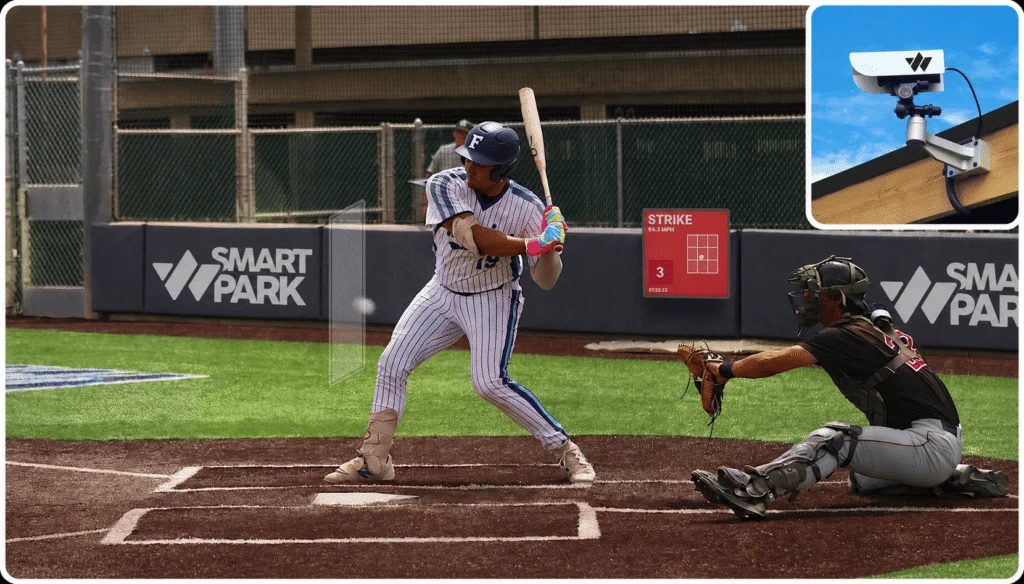
How the ABS Challenge System Works, and How It Runs at Every SmartPark
- by
You have seen the 3-2 pitch that catches the corner to decide the game, and you have heard the dugout erupt when the call goes the wrong way. The ABS challenge system settles that argument with a measurement, not an opinion, and it now runs at every WIN Reality SmartPark. It tracks each pitch to under 6 millimeters and puts the answer on the LED board in seconds. The Short Answer A hitter, catcher, or pitcher signals a challenge on

Baseball, Training
The Complete Baseball Drills by Age Guide for Parents: Ages 5–18
You want to help your player get better, but you are staring at a 6-year-old who can barely track a rolled grounder and a 16-year-old chasing sliders in the dirt, and the right drill for each is completely different. This baseball drills by age guide gives you the direct answer: match the drill to your child’s age and their actual problem, keep sessions short with high reps, and progress only when the current skill holds up at game speed. This is the hub for WIN Reality’s full age-by-age drill series, and every band below links to a deeper guide you
Baseball
How to Improve Batting Average in High School Baseball
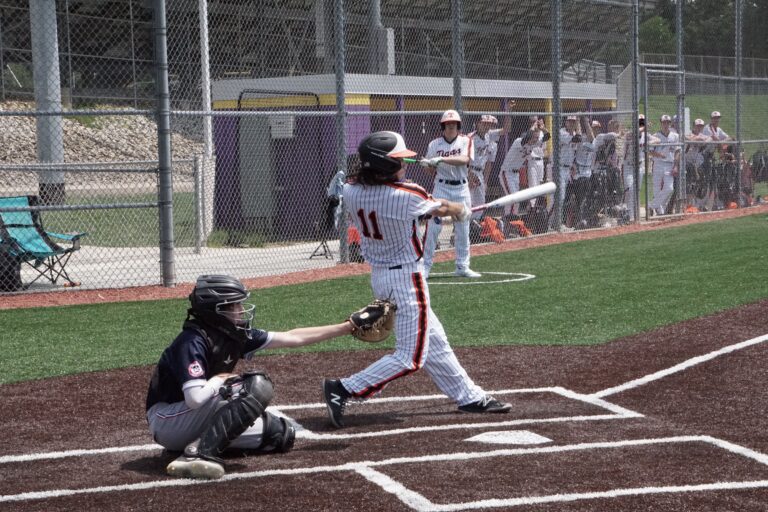
Why Batting Average Drops You hit .400 in travel ball, then your average cratered your freshman year. That is not a talent problem. It is what happens when the game speeds up all at once. High school baseball throws four new challenges at you simultaneously: fastballs that jump from the low 70s to the mid 80s, actual breaking balls, a BBCOR bat that kills the trampoline effect you got from your old USSSA barrel, and infielders who turn your hard grounders into outs. Most high school coaches have 90 minutes, one cage, and a roster of 15 to 18 players
Baseball, SmartParks
What Is an ABS Challenge System in Baseball?
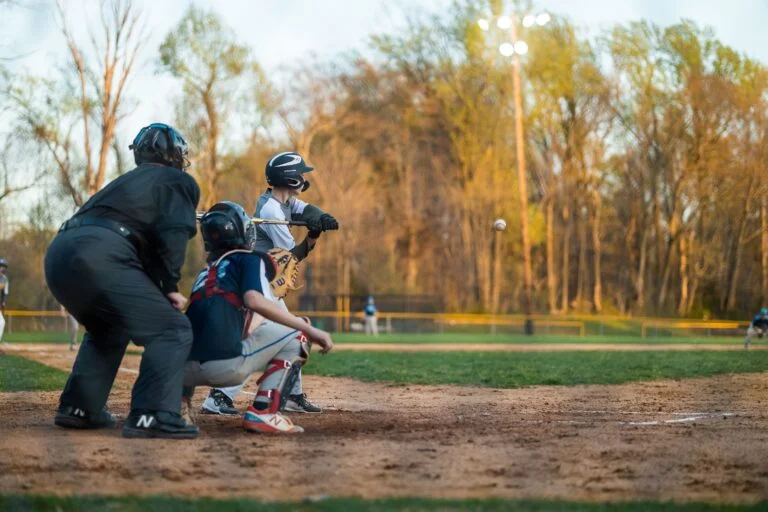
An ABS challenge system lets a small group of players on the field push back on a home plate umpire’s ball or strike call, sending it to an automated tracking system for an instant, precise review. Major League Baseball adopted it league-wide for the entire 2026 season, and the sport has not looked the same since. Here’s exactly how it works, why MLB built it this way instead of automating every call, and what the same technology now means for baseball and softball below the professional level. How the ABS Challenge System Actually Works ABS stands for Automated Ball-Strike. The
Coaches, Baseball, Training
Best Baseball Analytics Tools Coaches Should Use in 2026
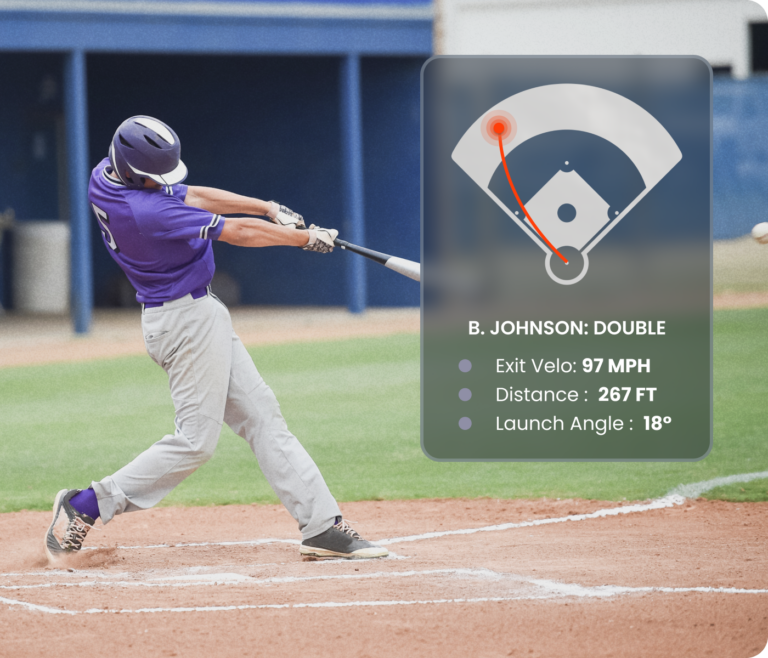
You have 12 to 18 hitters, two cage stations, and 90 minutes of practice. The best baseball analytics tools for coaches in 2026 tell you exactly what each kid should work on at practice. For data-literate youth and high school coaches, the strongest combination is WIN Reality’s SwingAI plus Blast Motion for hitting development, layered with an in-game system like SmartParks for game stats and a specialized tool or two for pitching and recruiting. This guide ranks tools by the coaching decision they improve, not by feature count. Coaches keep telling the same story online: the numbers pile up, but
Baseball, SmartParks
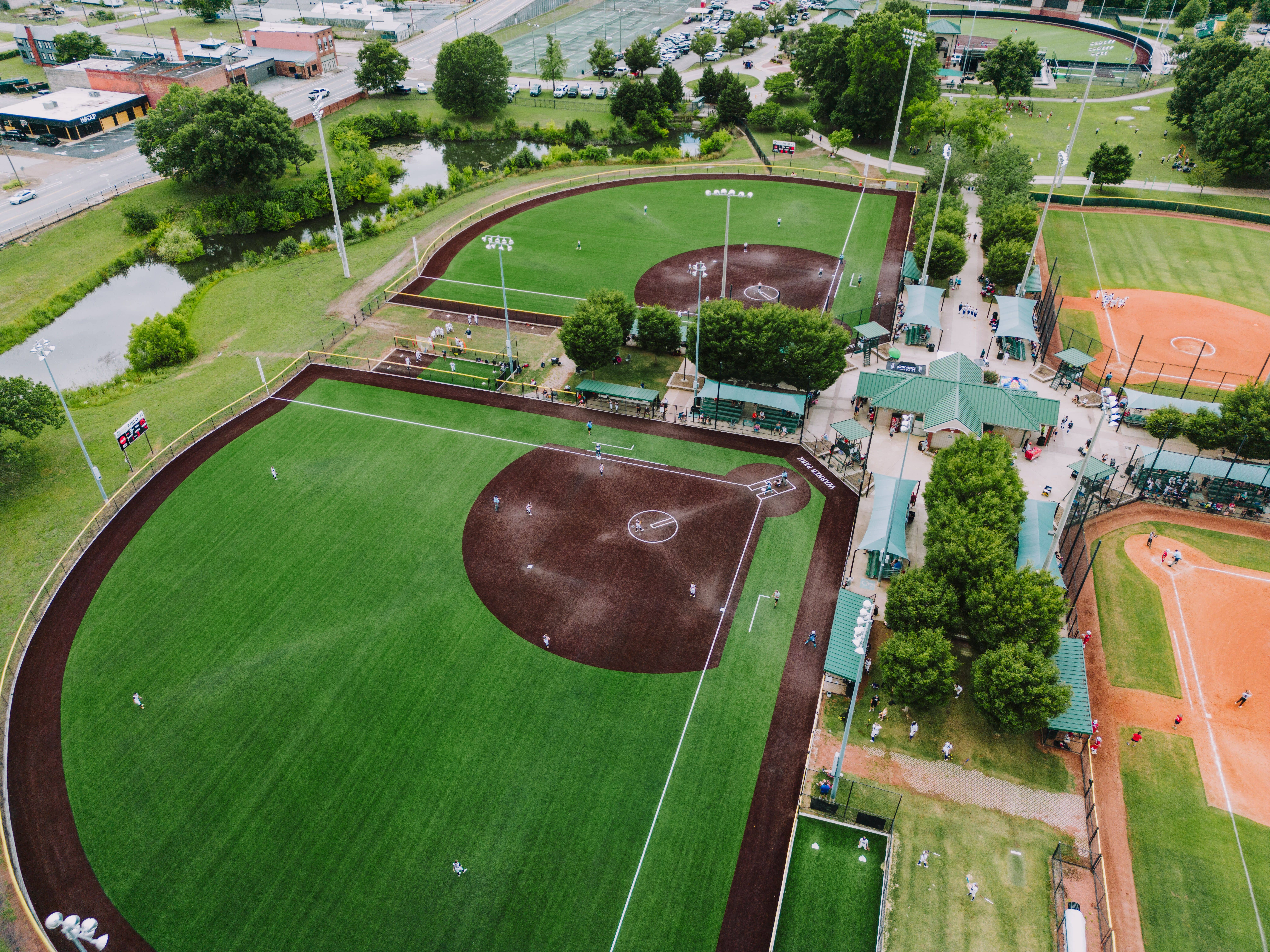
Radar vs Camera Ball Tracking in Baseball: What’s the Difference?
You run a travel program with one radar gun on the mound and a paper scorebook in your bag. Radar vs camera ball tracking in baseball is not a debate for you. It decides what game-day data your field actually keeps, and only one approach tracks a whole live game. The Short Answer Radar measures a moving object’s speed with the Doppler effect. Cameras triangulate the ball’s 3D position from multiple calibrated angles. Radar is great for single-pitch velocity, but cameras track the full game, which is why MLB switched to optical in 2020. WIN Reality SmartPark uses fixed optical
Coaches
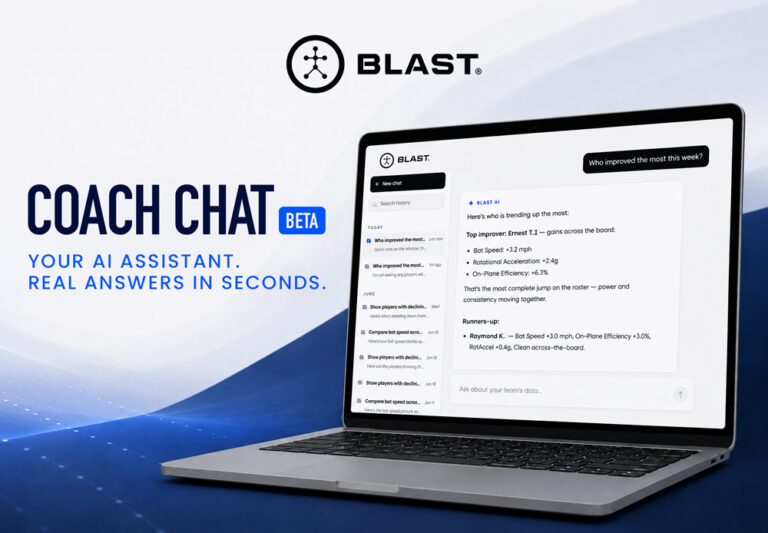
Coach Chat Is Here. Ask Anything About Your Players.
Coaches have more swing data than ever and never enough hours to make sense of it. Coach Chat is a new AI assistant inside Teams Hub that turns your players’ Blast data into plain-English answers, in seconds. Every coach using Teams Hub has access to a growing library of player swing data. Bat speed trends. Session frequency. Week-over-week improvement. The data is there — but finding specific answers still means opening dashboards, applying filters, and cross-referencing numbers across multiple screens. That friction adds up. By the time you’ve tracked down the answer to a question like “who improved the most
Baseball, Recruiting
JUCO Baseball Recruiting: A Complete Guide for Players
You hit .380 as a senior, your travel coach told you that you had “D1 stuff,” but the phone never rang. Now it’s late summer, rosters are filling, and you’re staring at a choice most recruiting sites gloss over. JUCO baseball recruiting is not a consolation prize. It’s a real development path that lets you keep playing, get everyday reps, fix your academics, and build the kind of verified proof that four-year coaches trust more than a high school highlight tape. This guide gives you the plan the big recruiting services skip: how to decide if JUCO fits, what coaches
Baseball, Training
Off-Season Baseball Training Youth Plan by Age: A Parent Guide
Off-season baseball training for youth players does not have to mean a daily grind of bullpens and cage sessions. Your season just ended, and you are already getting the group texts about winter lessons, travel tryouts, and who is throwing bullpens in December. The best plan for a youth baseball player is 2 to 3 months of reduced throwing, 2 to 4 short skill or movement sessions per week, and one clear priority per age group, not a daily grind. This guide breaks that down by age so you can build improvement, rest, and fun without overdoing it during the
SmartParks, Baseball, Softball
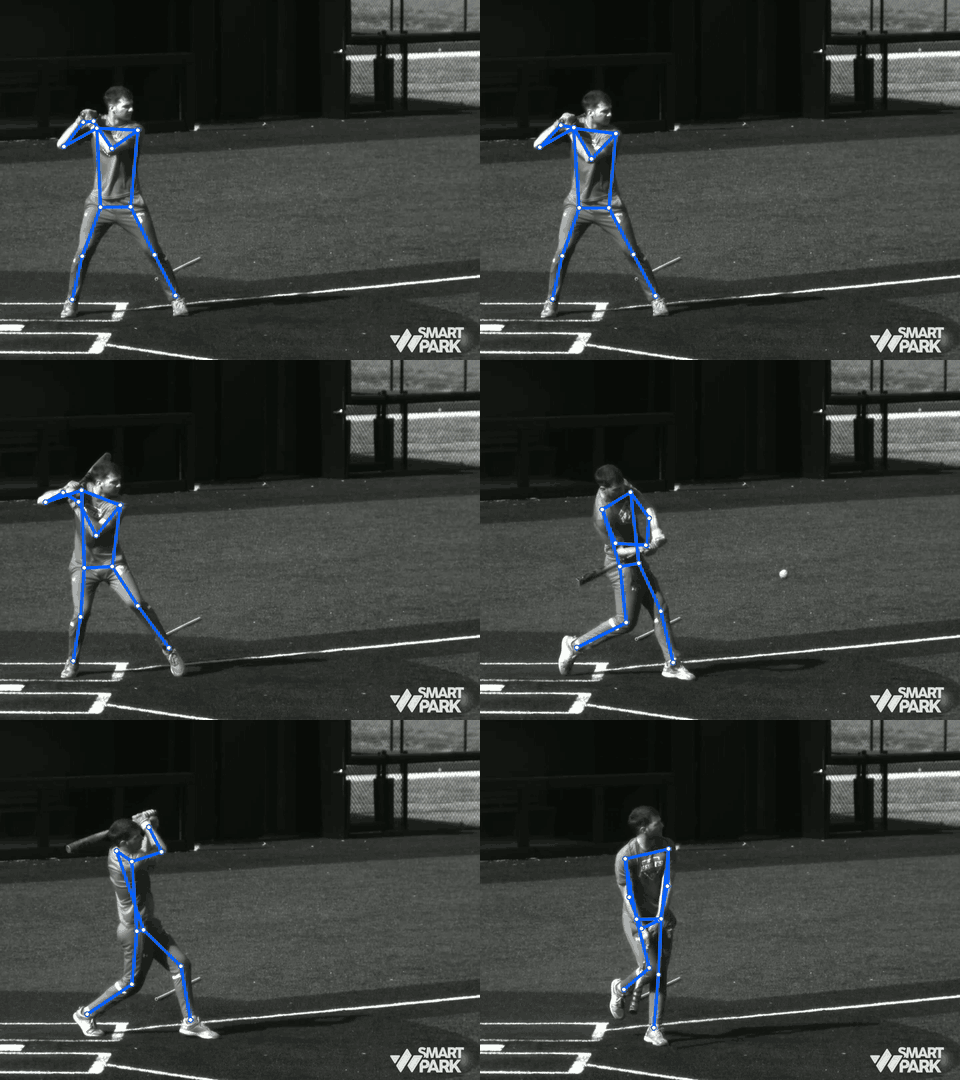
SwingAI Is Live At Every SmartPark: Full Swing Biomechanics, Automatically
Every ball hit into fair territory at a SmartPark now comes with something it never had before: full swing biomechanics, captured automatically, on every single swing through SwingAI. No tagging. No setup. No extra hardware. SwingAI is live, and it’s already running in the background of every game and practice your SmartPark records. What’s New SwingAI brings professional-grade swing analysis to the SmartPark ecosystem. The same biomechanical modeling technology behind WIN Reality’s hitting instruction is now capturing data automatically at the park. Until now, getting this kind of insight meant dedicated capture systems, manual tagging, or other equipment that lived