Baseball, Featured, Softball
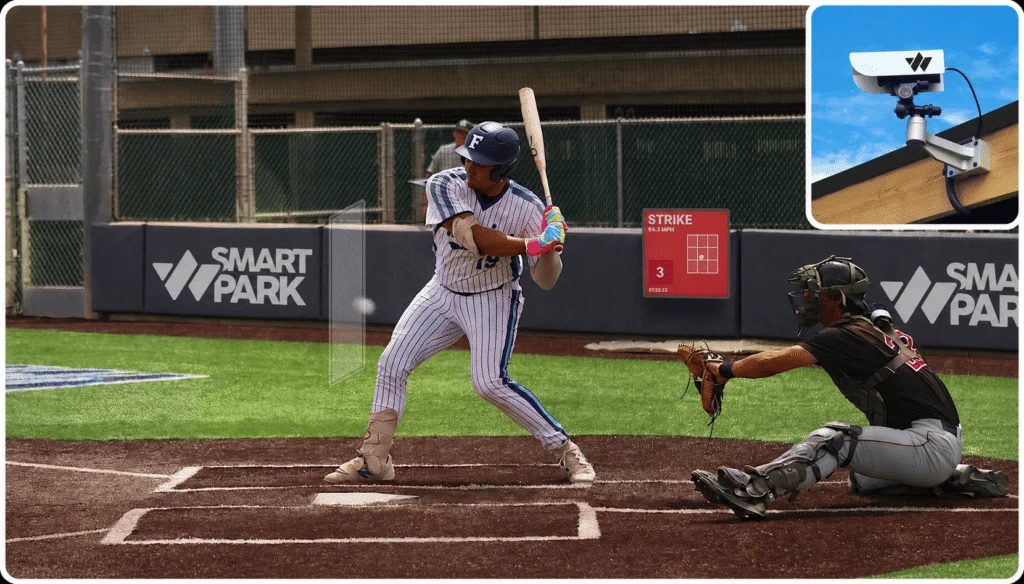
How the ABS Challenge System Works, and How It Runs at Every SmartPark
- by
You have seen the 3-2 pitch that catches the corner to decide the game, and you have heard the dugout erupt when the call goes the wrong way. The ABS challenge system settles that argument with a measurement, not an opinion, and it now runs at every WIN Reality SmartPark. It tracks each pitch to under 6 millimeters and puts the answer on the LED board in seconds. The Short Answer A hitter, catcher, or pitcher signals a challenge on

SmartParks, Baseball, Softball
SmartPark vs Trackman: Which System Is Right for Your Field?
When considering SmartPark vs Trackman, you should understand that they both track baseball, but they were built to solve different problems. Trackman is the long-established ball-tracking standard in professional and college baseball, and it is expanding into umpire evaluation and, starting in 2027, ABS at the conference level. SmartPark is WIN Reality’s field system for running game day. It automates balls and strikes, runs the pace-of-play clock, supports scoring, and sends live data to a fan app, with bat and biomechanics data layered in. If your first priority is ball-flight data for player development at the pro or top college
Baseball, Softball
wOBA Baseball Statistic Explained
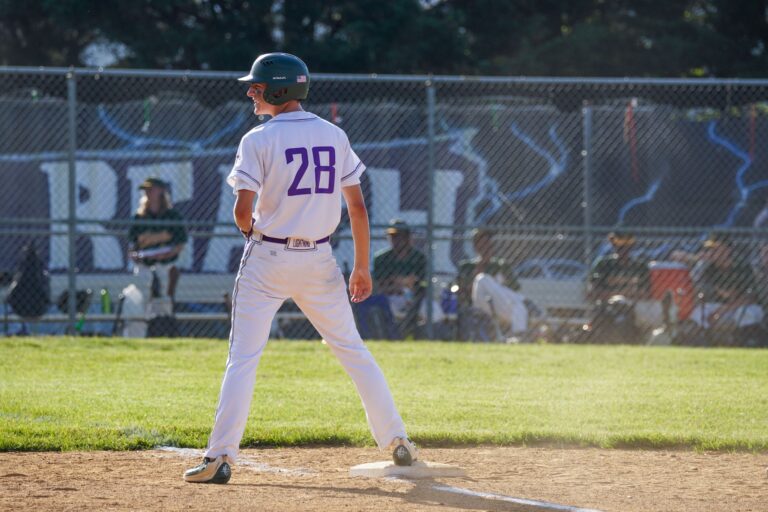
You pull up two hitters on a stat page. Both are hitting .290. One is a middle-of-the-order run producer, the other barely moves the needle. Batting average says they are identical. They are not, and wOBA is the stat that proves it. Here is the direct answer: wOBA (Weighted On-Base Average) is a single offensive rate stat that measures how much a hitter actually helps score runs by giving each way of reaching base its real run value instead of treating every hit, or every walk, the same. This guide breaks it down in plain English for players, parents, coaches,
SmartParks, Baseball, Softball
What Does SmartPark Track? SmartPark Metrics Explained
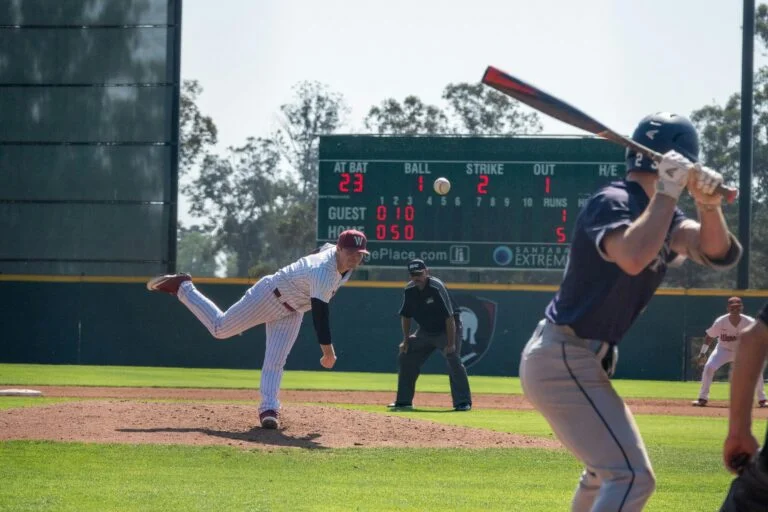
Picture a Saturday tournament: 40 games across eight fields, one scorekeeper per diamond. SmartPark captures 125+ live metrics on every one of those fields at once. This guide is SmartPark metrics explained in plain language: what your field tracks, how, and why 125+ live stats change your program. SmartPark Metrics Explained SmartPark tracks 125+ live performance metrics during real games, split across 35 game metrics, 88 ball metrics, 12 bat sensor metrics, and 12 biomechanic metrics. Fixed optical cameras and MLB-grade tracking capture every pitch, swing, and at-bat, then push the data to coaches, players, and fans in real time.
Baseball, Coaches
How to Build a Year Round Youth Baseball Development Plan for Your Team
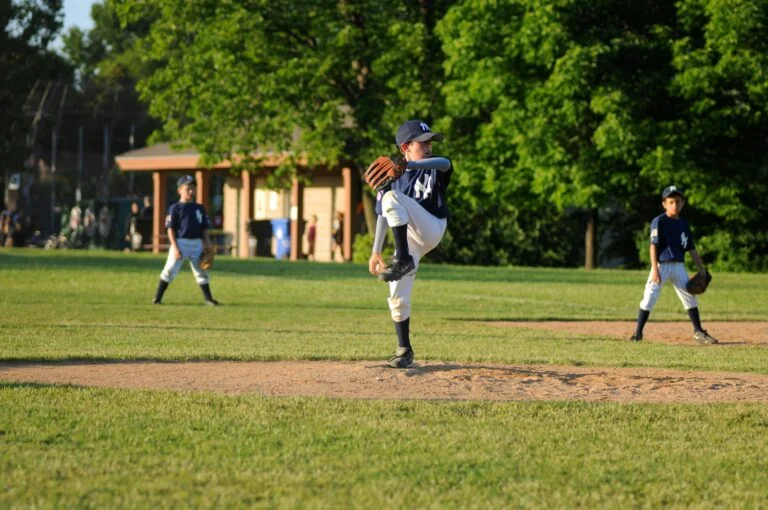
Your best 11U hitter crushes the ball in June, then shows up in March having not swung a bat since the last tournament. That gap is the problem a year round plan solves. A real year round youth baseball development plan cycles your roster through four phases so players build skills 12 months a year without piling on 12 months of games, throws, and travel mileage. Here is the direct answer: a year round plan is not year round competition. It is a calendar that stacks a postseason reset, an offseason build, a preseason ramp, and in-season maintenance, with clear

Baseball, Training
Best Baseball Training Equipment for Home Use: 2026 Buyer’s Guide
You want more reps without turning your garage into a graveyard of gear you used twice. The fastest home setup is a tee, a 7×7 net, and a bucket of 12+ balls for daily contact work, then you upgrade with a swing trainer, a pitching/rebounder net, and one smart tool that trains timing and swing decisions. That last piece is where most buyer’s guides fall short. A tee builds a repeatable move, but it never throws you a two-strike slider. This guide for the best baseball training equipment for home use ranks equipment by the skill it actually trains, the

SmartParks, Baseball, Softball
What Is a Smart Baseball Field? The Technology Explained
Your travel team just finished 3 games in one day, and nobody agrees on the final score. So what is a smart baseball field? It is your entire diamond, not just a bat or a cage, wired to call pitches, score games, and push 125+ live metrics to your phone before players reach the dugout. That is the shift: the surface itself becomes your data engine. A smart baseball field is a live-game capture and data system that uses fixed optical cameras and MLB-grade tracking to automate balls and strikes, score the game, and generate 125+ live metrics on a

Baseball, Coaches, Recruiting
Exit Velocity Needed for College Baseball: What Numbers Do Coaches Want?
You just got a verified reading at a showcase event and now you are staring at the number, trying to figure out if it is an “email coaches tonight” number or a “keep training” number. Here is the fast answer: most D1 programs want to see a verified max exit velocity around 90+ mph by your junior year, with premium bats (corner infield, corner outfield) pushing mid-to-upper 90s, while D2, D3, NAIA, and JUCO open up in the mid-to-upper 80s. Exit velocity is a signal, not an offer. It gets your profile opened. Your video, your game performance, and whether
Baseball, Recruiting
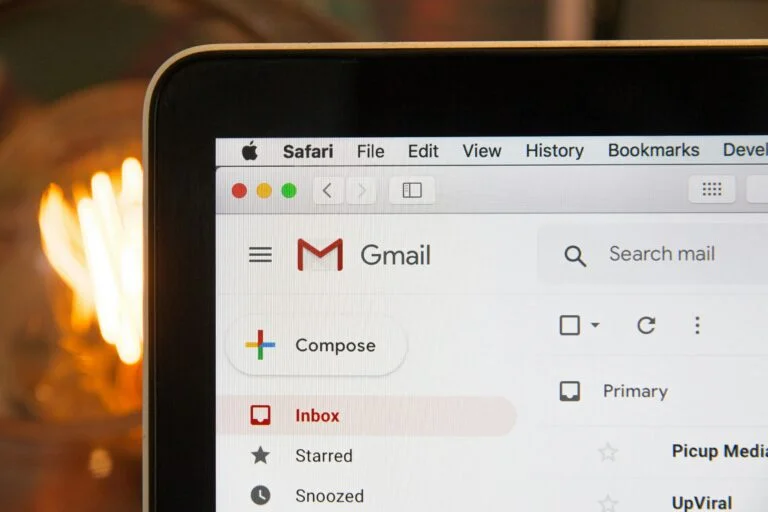
How to Email A College Baseball Coach: Templates That Get Responses
You found 20 schools you like, you sent 20 emails, and your inbox is still empty. That is the most common recruiting problem in baseball, and it is almost never a talent problem. If you want to know how to email a college baseball coach and actually get a reply, the answer is straightforward: coaches skip player emails because they are too long, too vague, or too obviously copy-pasted. This guide fixes all three with copy-ready templates, subject-line formulas, and a simple outreach system you can run yourself. Email the right coach a short, scannable message under 150 words with

Baseball, Training
The Complete Baseball Drills by Age Guide for Parents: Ages 5–18
You want to help your player get better, but you are staring at a 6-year-old who can barely track a rolled grounder and a 16-year-old chasing sliders in the dirt, and the right drill for each is completely different. This baseball drills by age guide gives you the direct answer: match the drill to your child’s age and their actual problem, keep sessions short with high reps, and progress only when the current skill holds up at game speed. This is the hub for WIN Reality’s full age-by-age drill series, and every band below links to a deeper guide you